
Toshihiko Mitsuya Where Shadow Fails
21/02/2026 – 18/04/2026
Galerie Nagel Draxler
Weydingerstraße 2/4
10178 Berlin
Opening / Eröffnung:
Freitag, Februar 20, 2026, 17 – 20 Uhr
Friday, February 20, 2026, 5 – 8pm
Öffnungszeiten / Opening hours:
Dienstag - Freitag 11 – 18 Uhr, Samstag 12 – 18 Uhr
Tuesday - Friday 11am – 6pm, Saturday 12 – 6pm
Press Release
A shadow confirms presence.
It binds a body to the ground, stabilizing its place in the world.
Where shadow fails, this certainty begins to loosen.
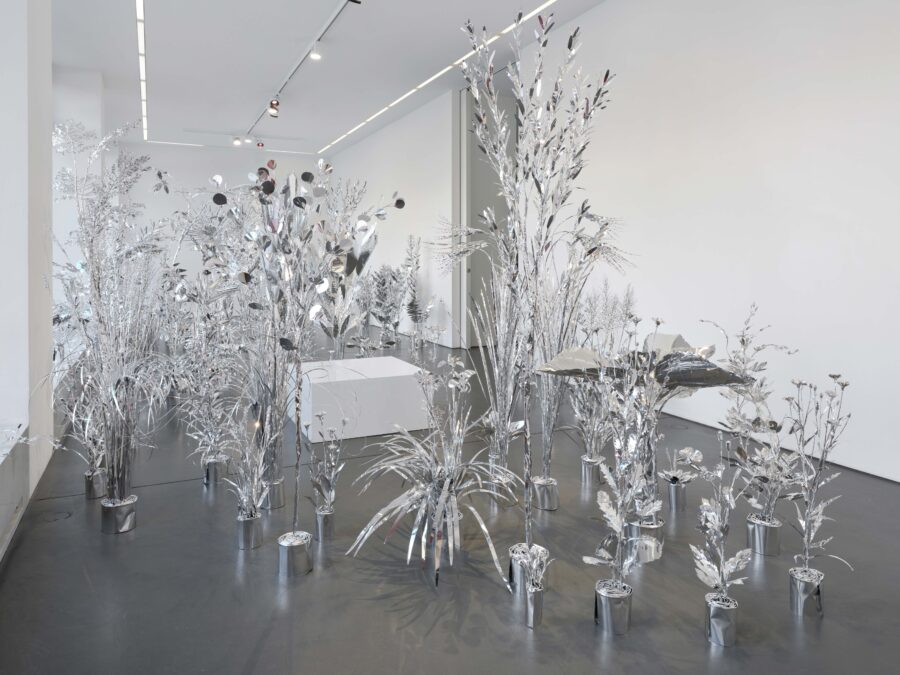
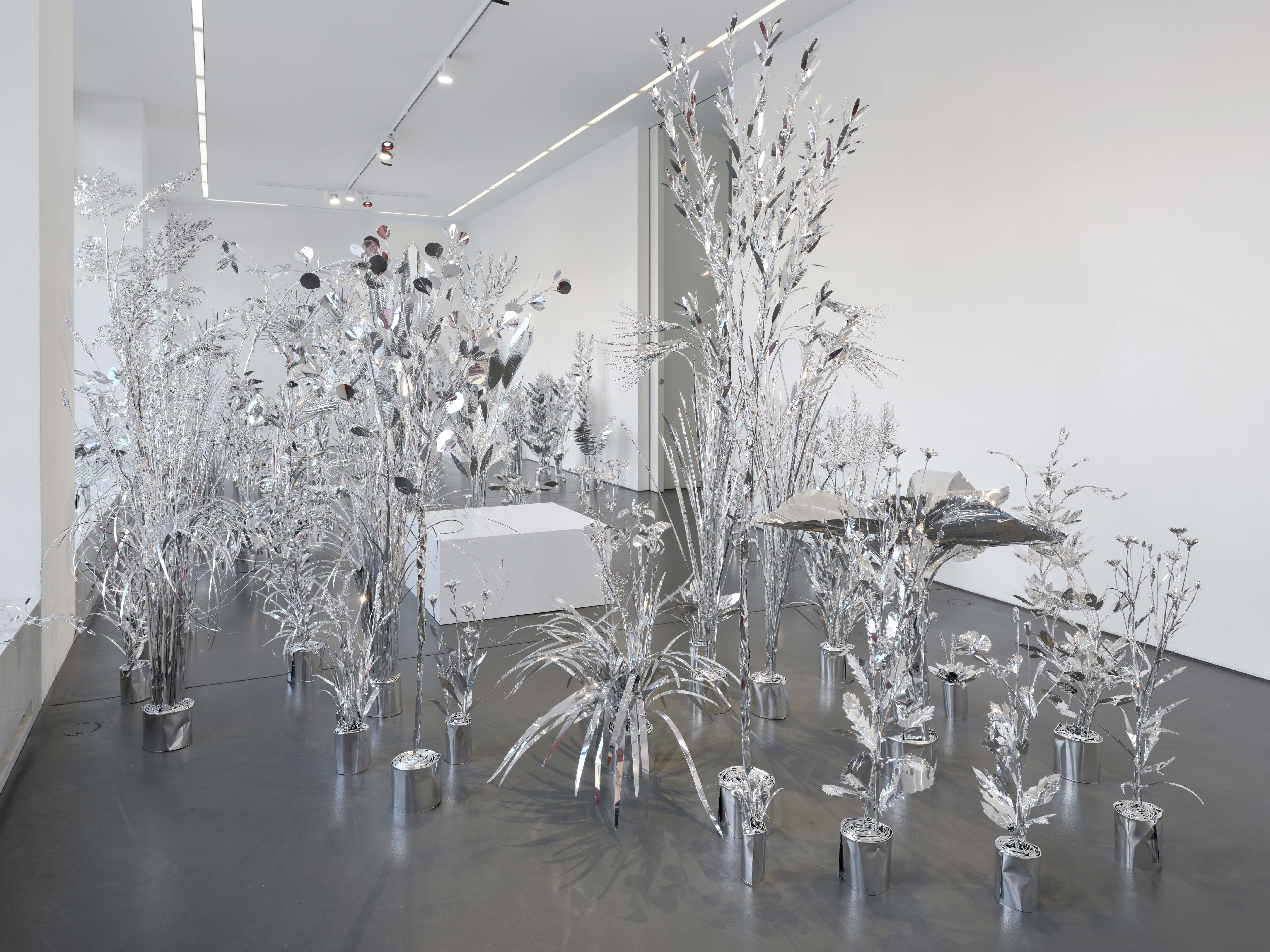
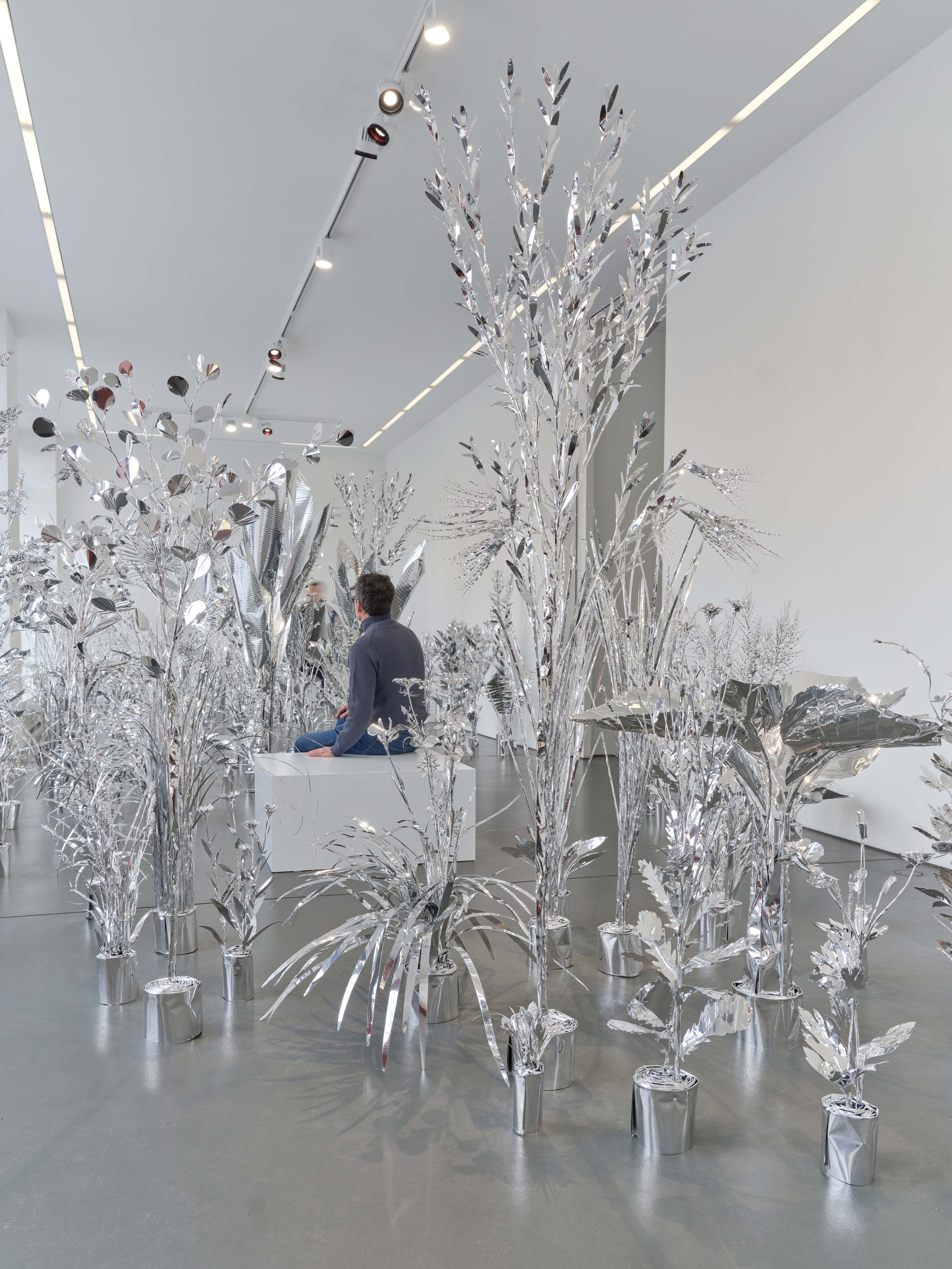
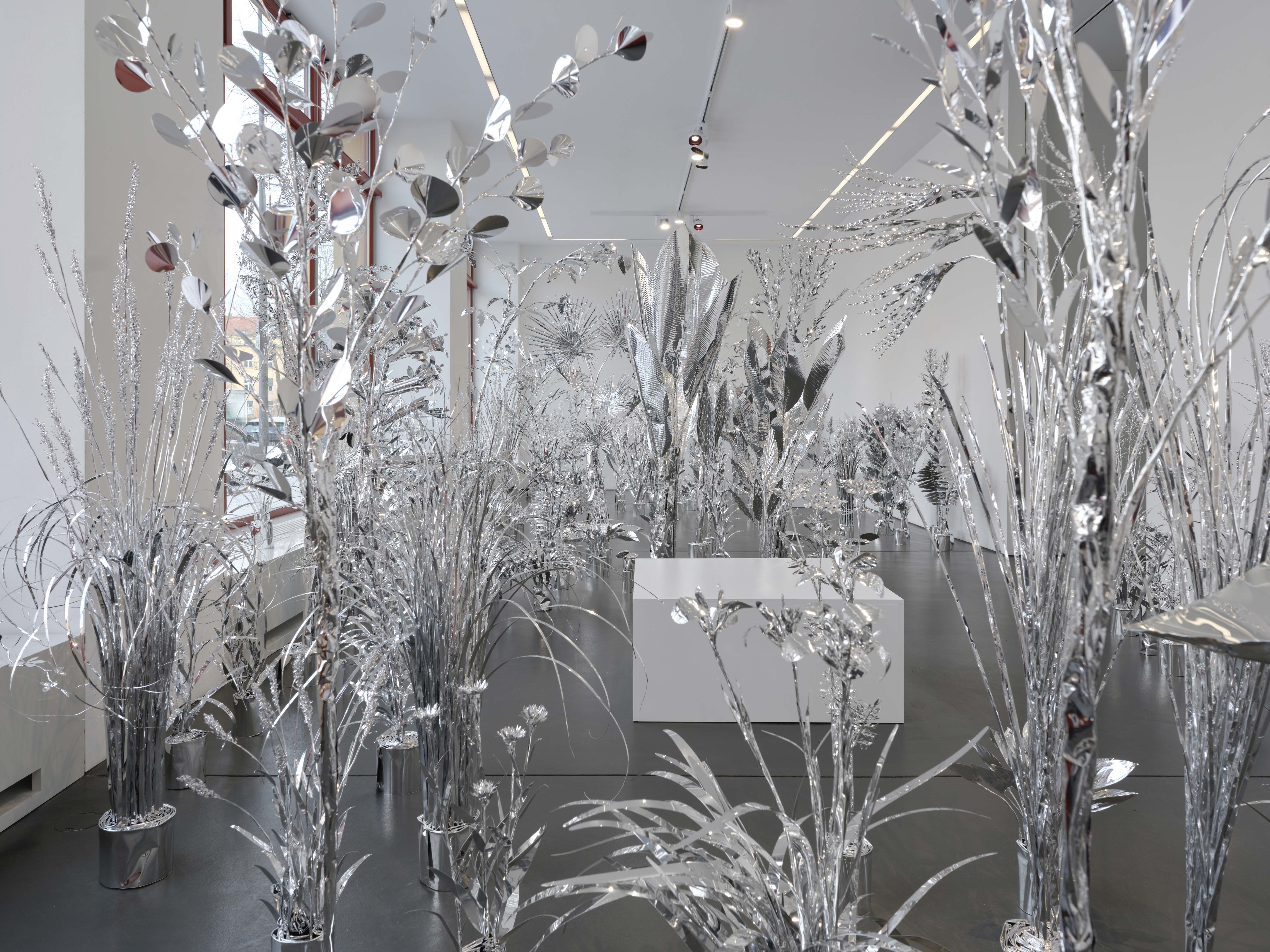
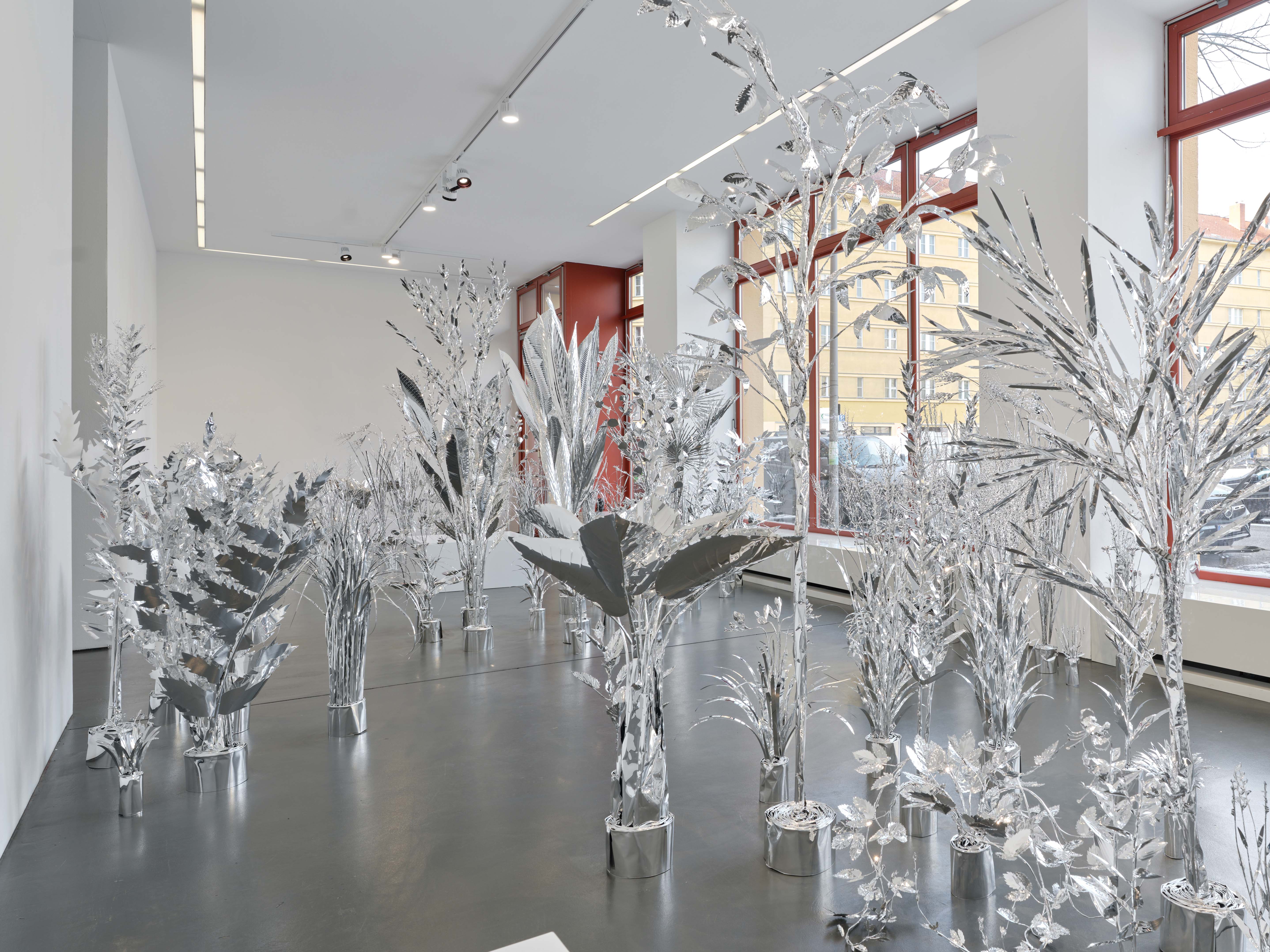
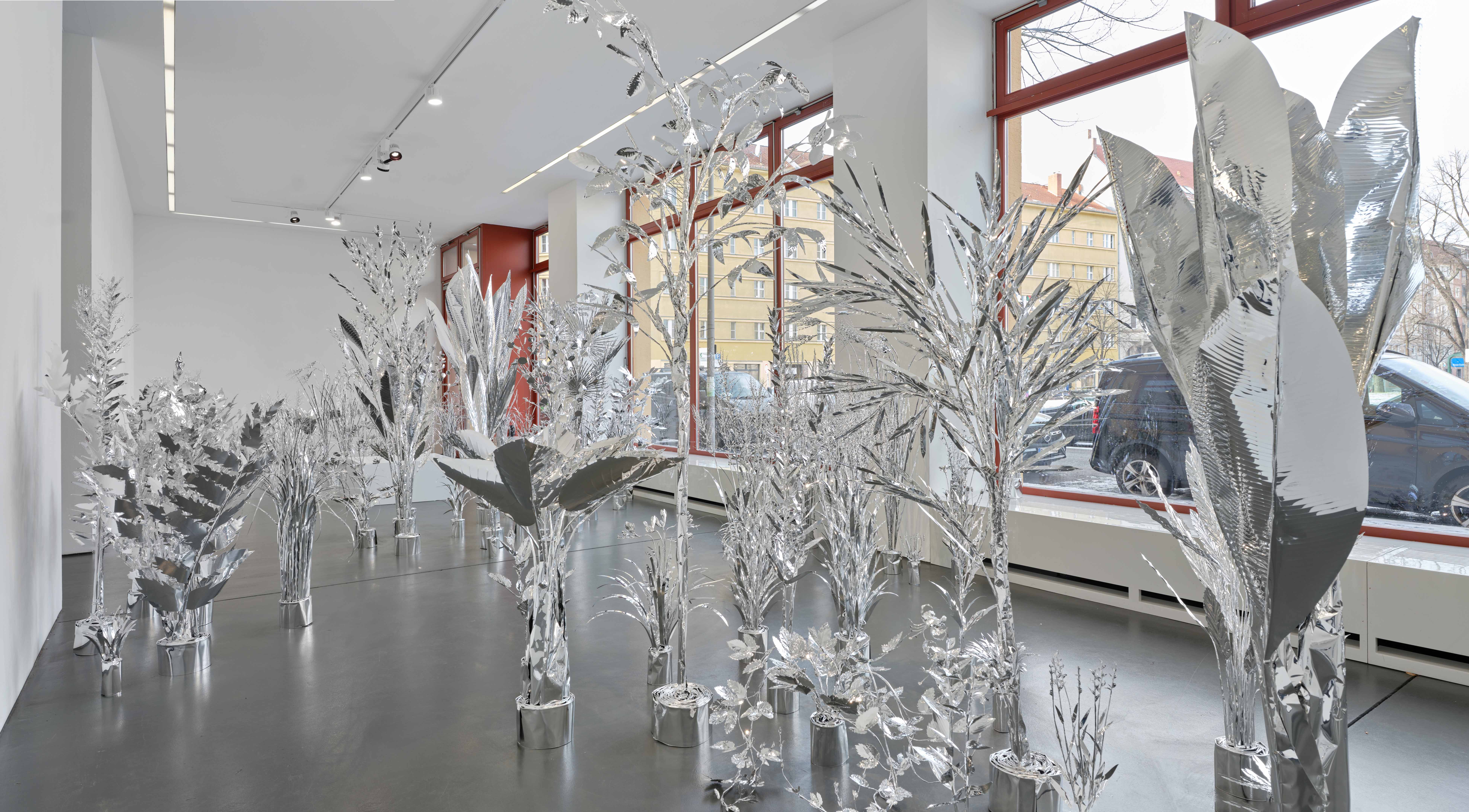
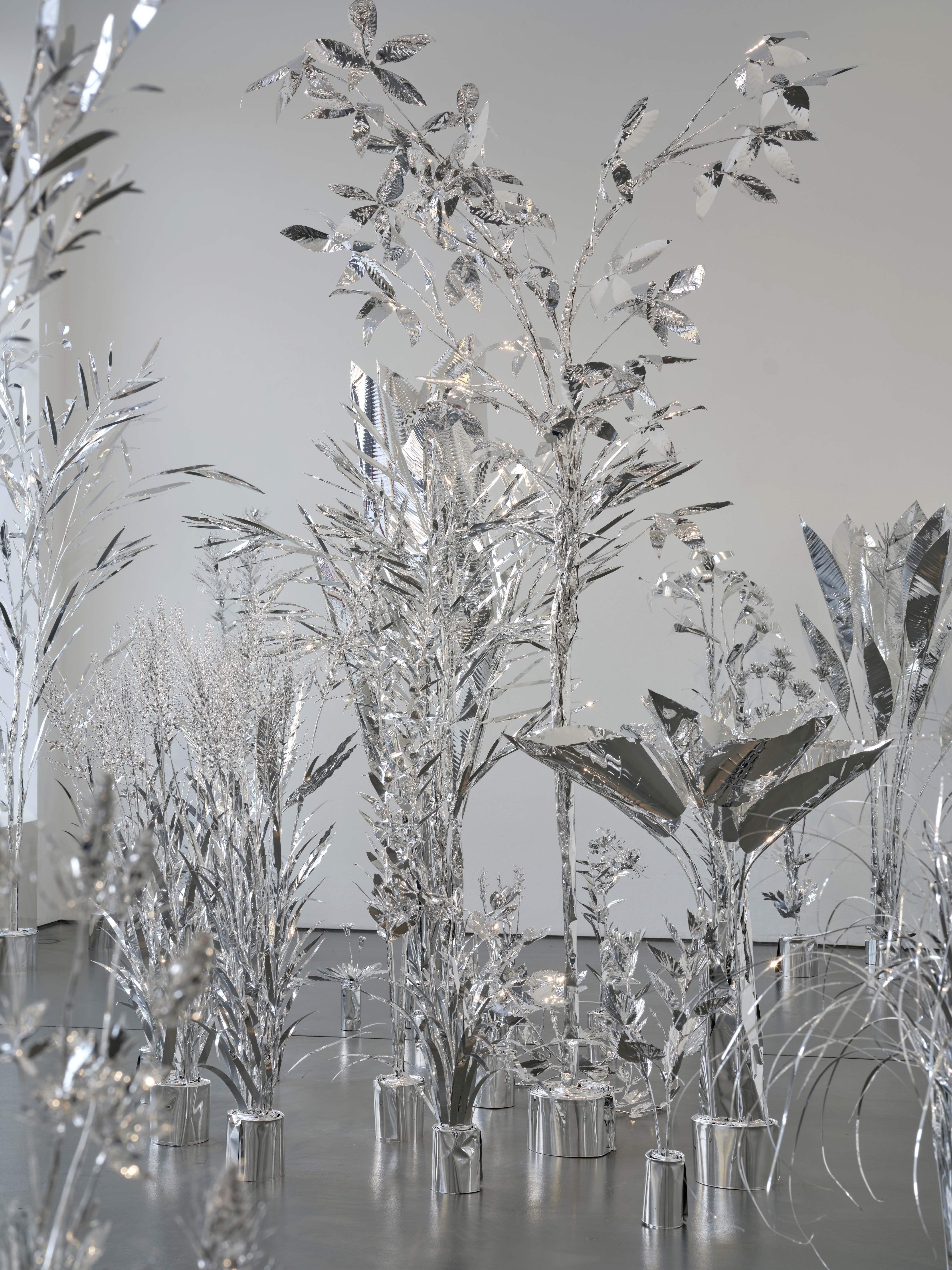
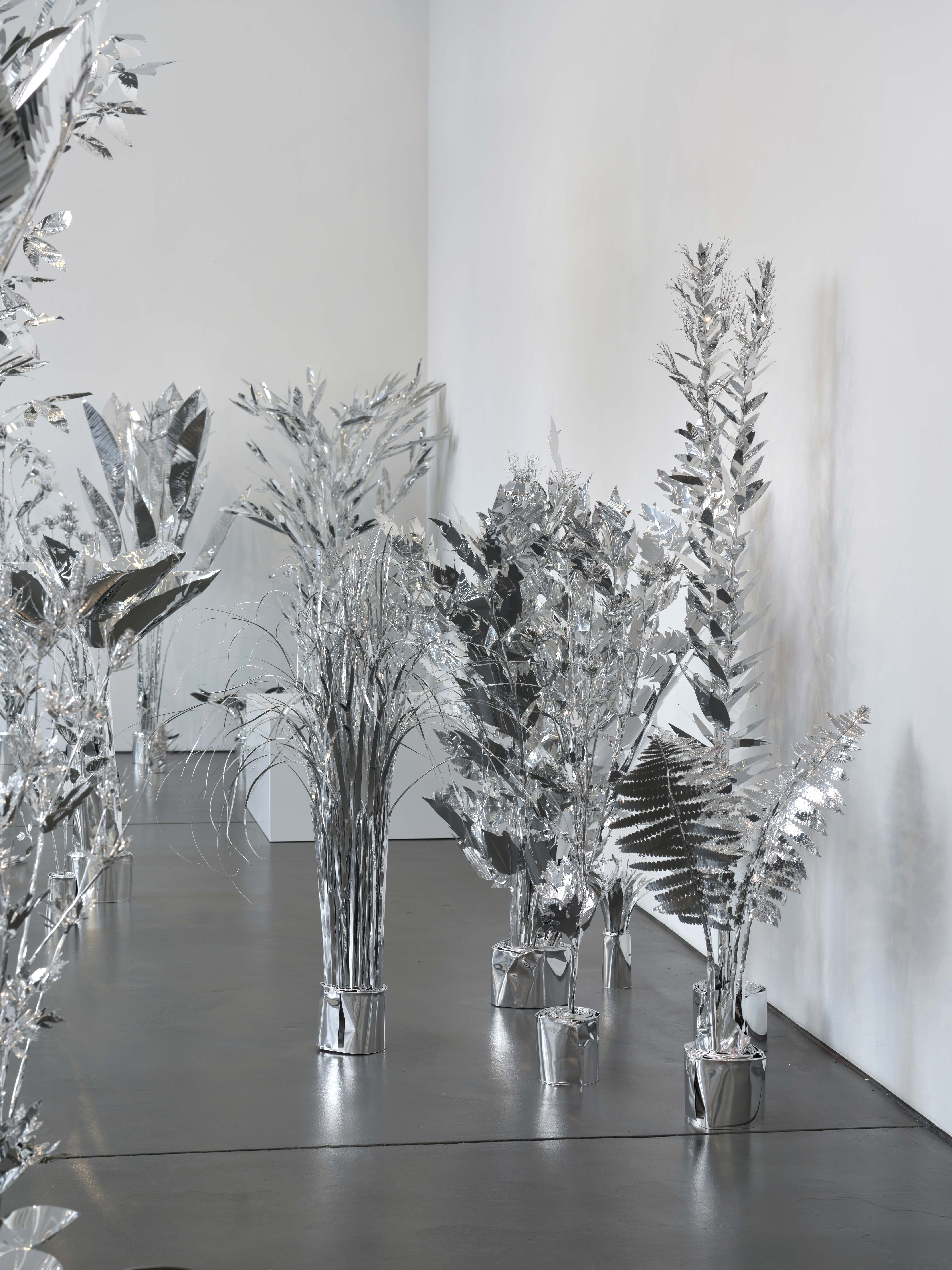
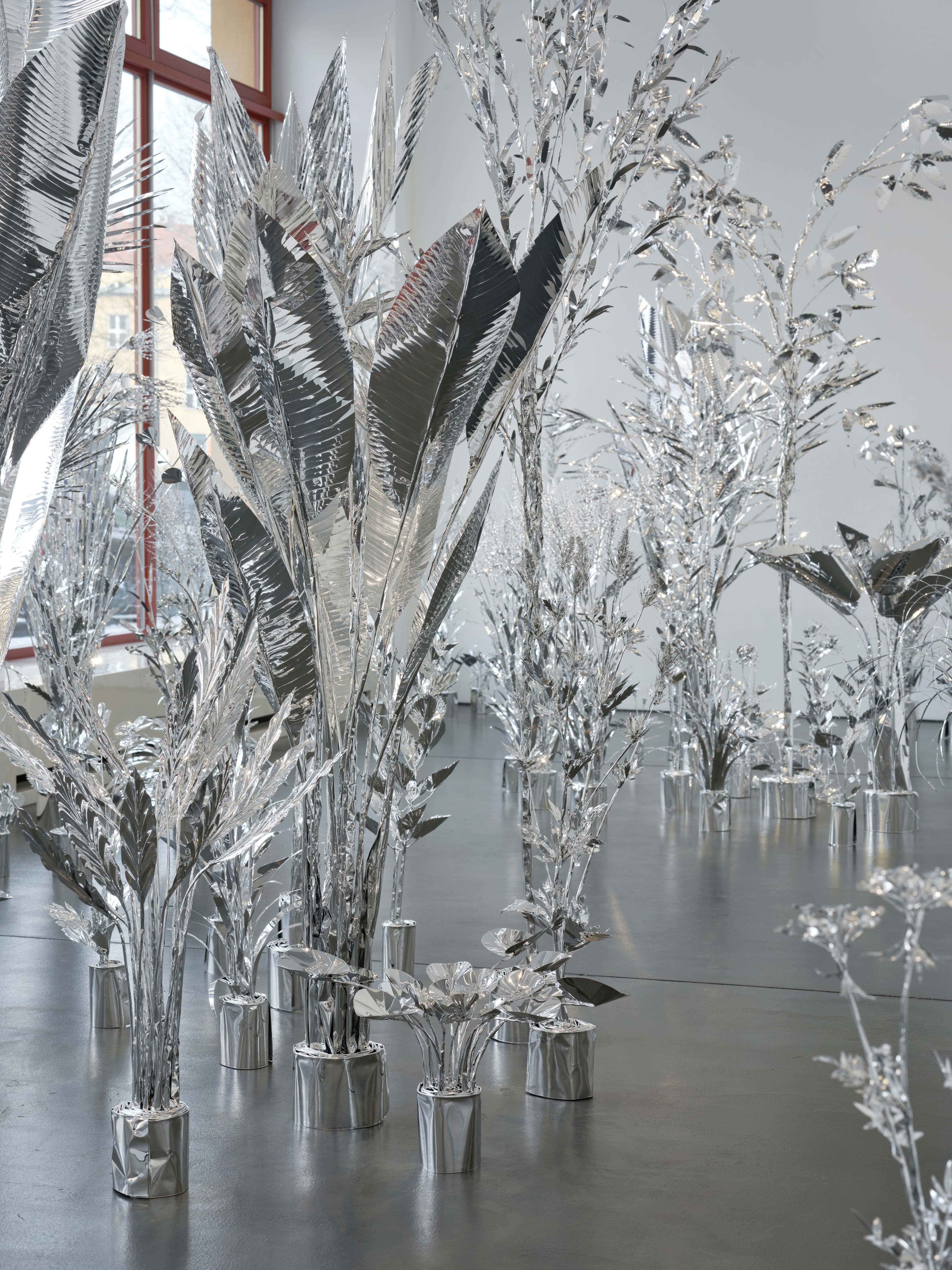
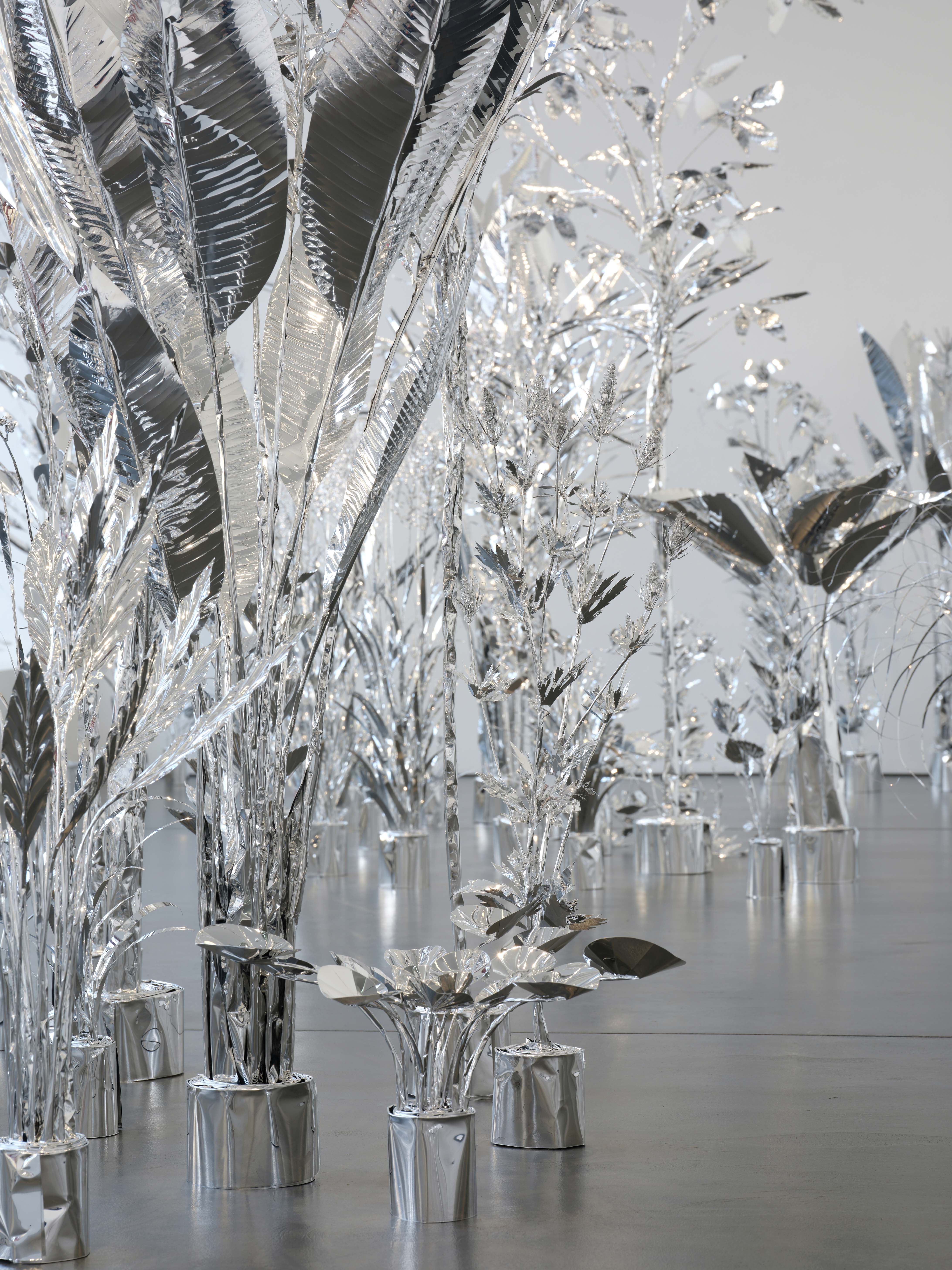
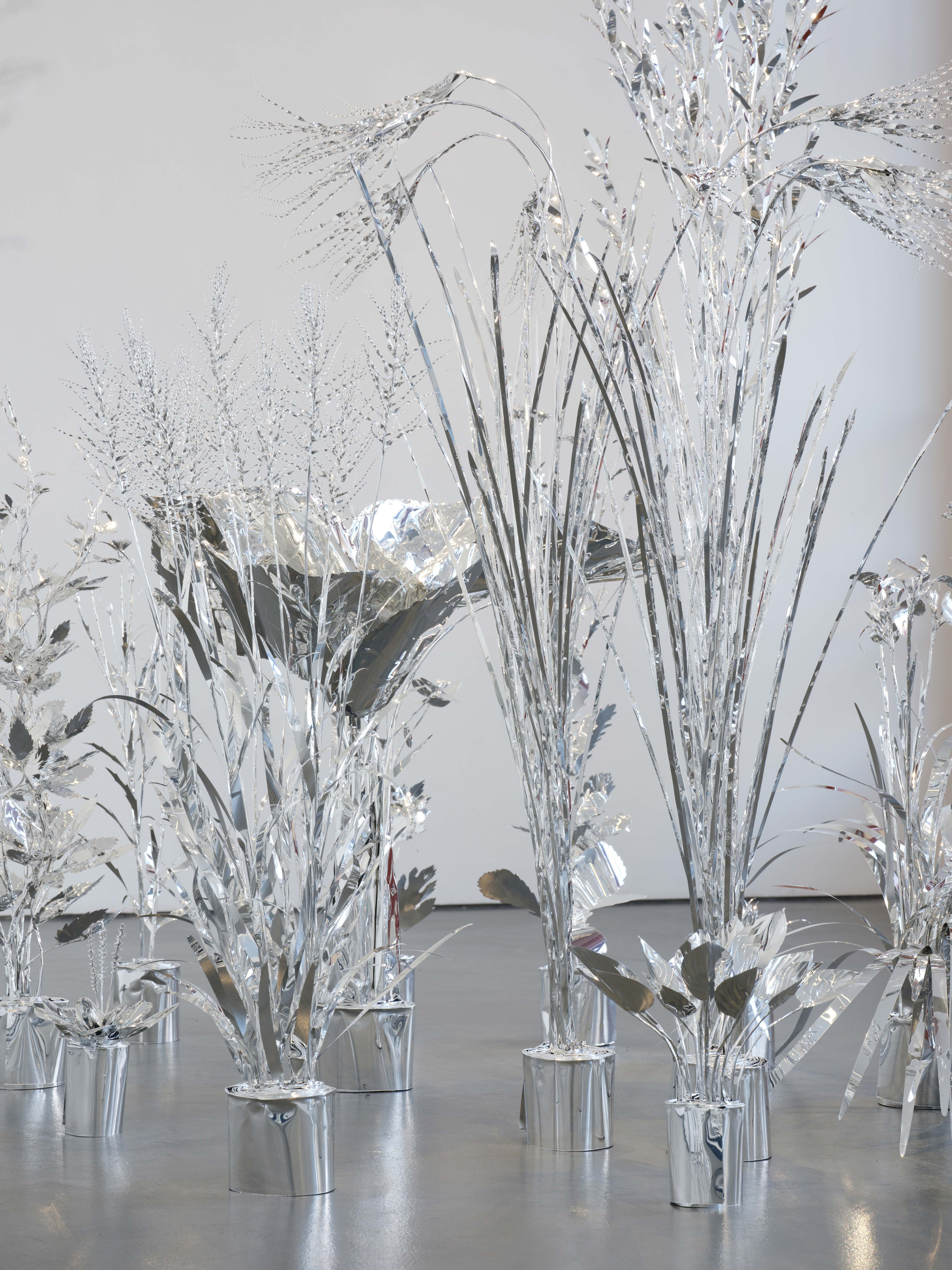
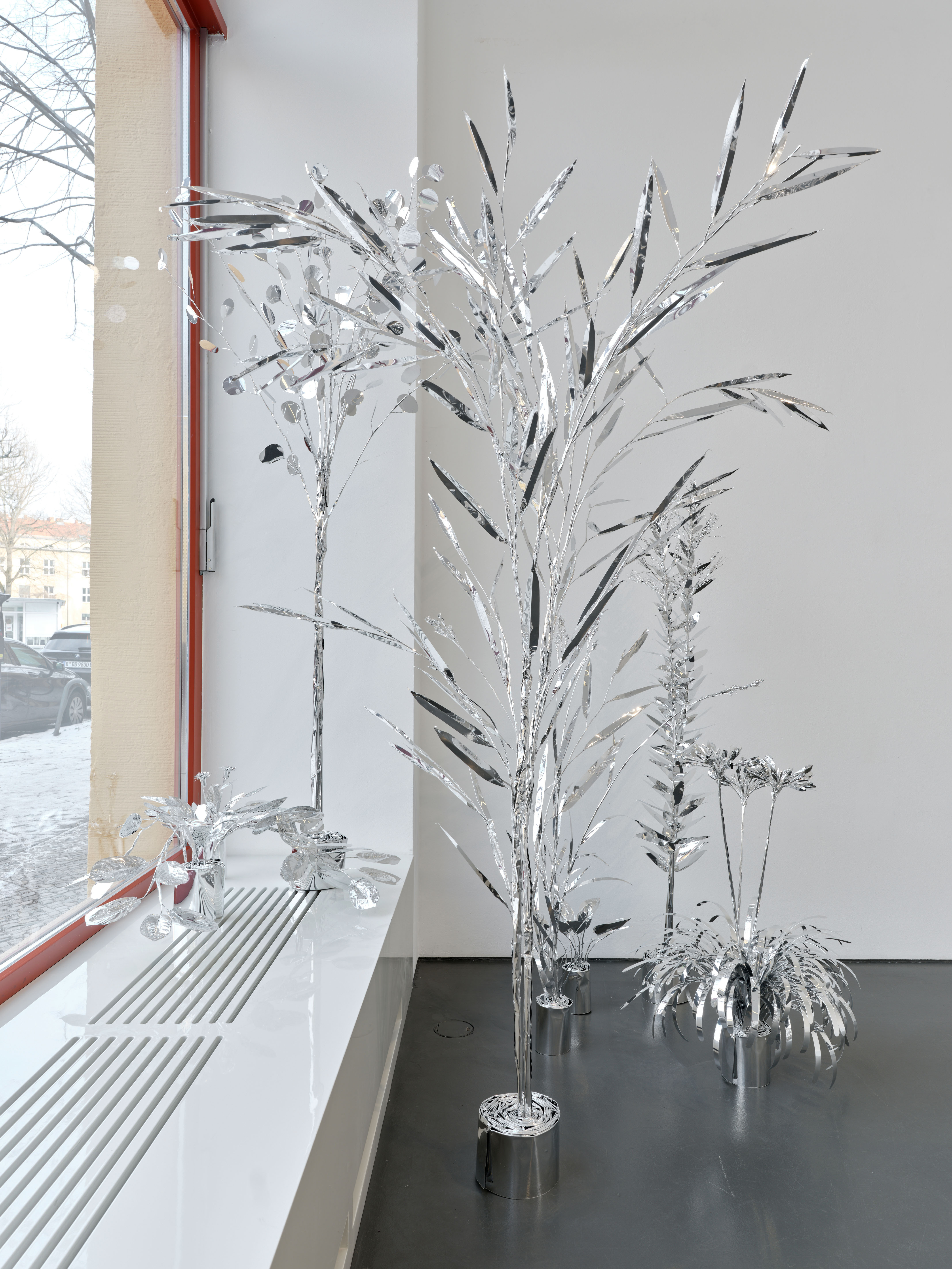
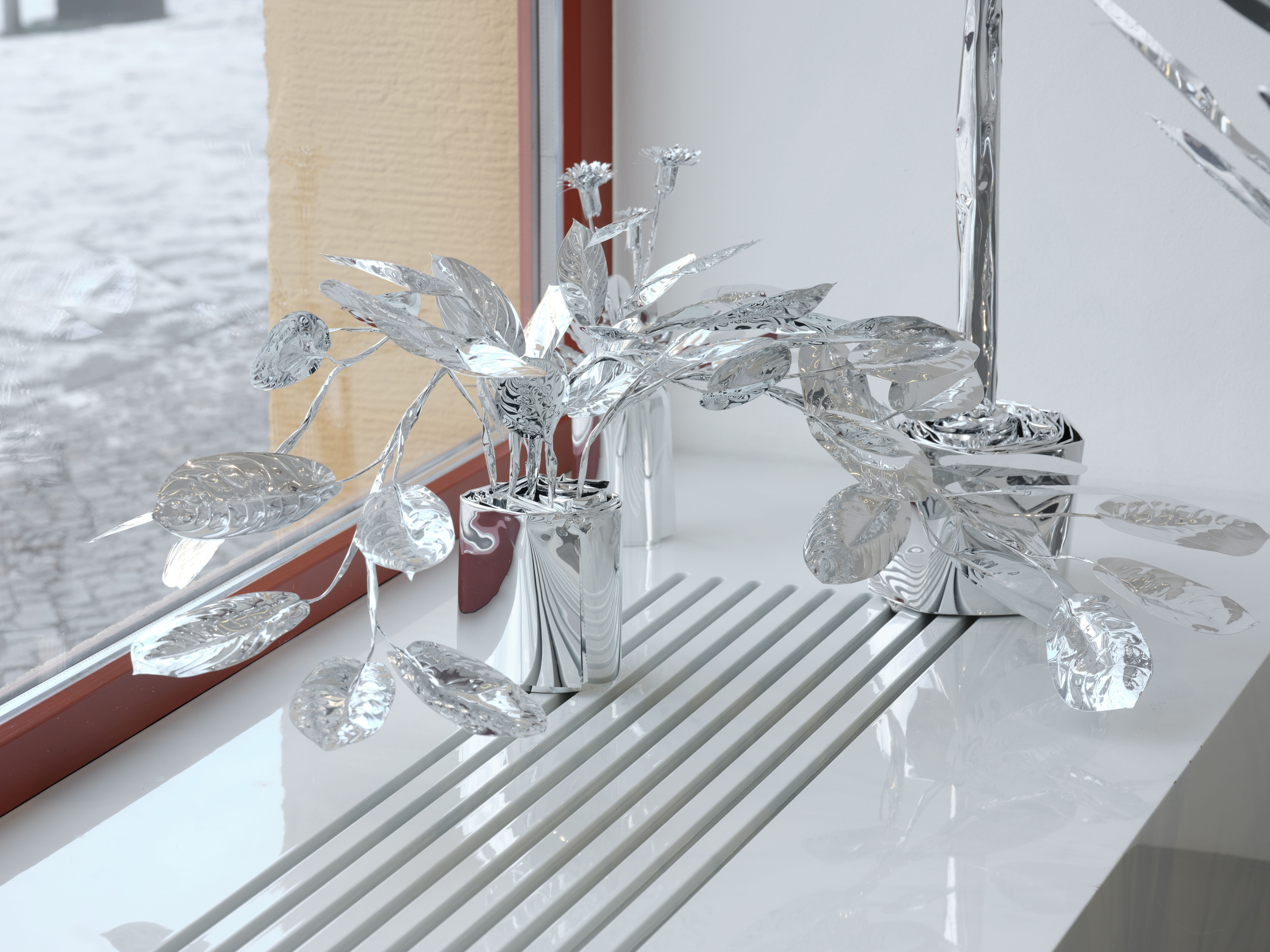
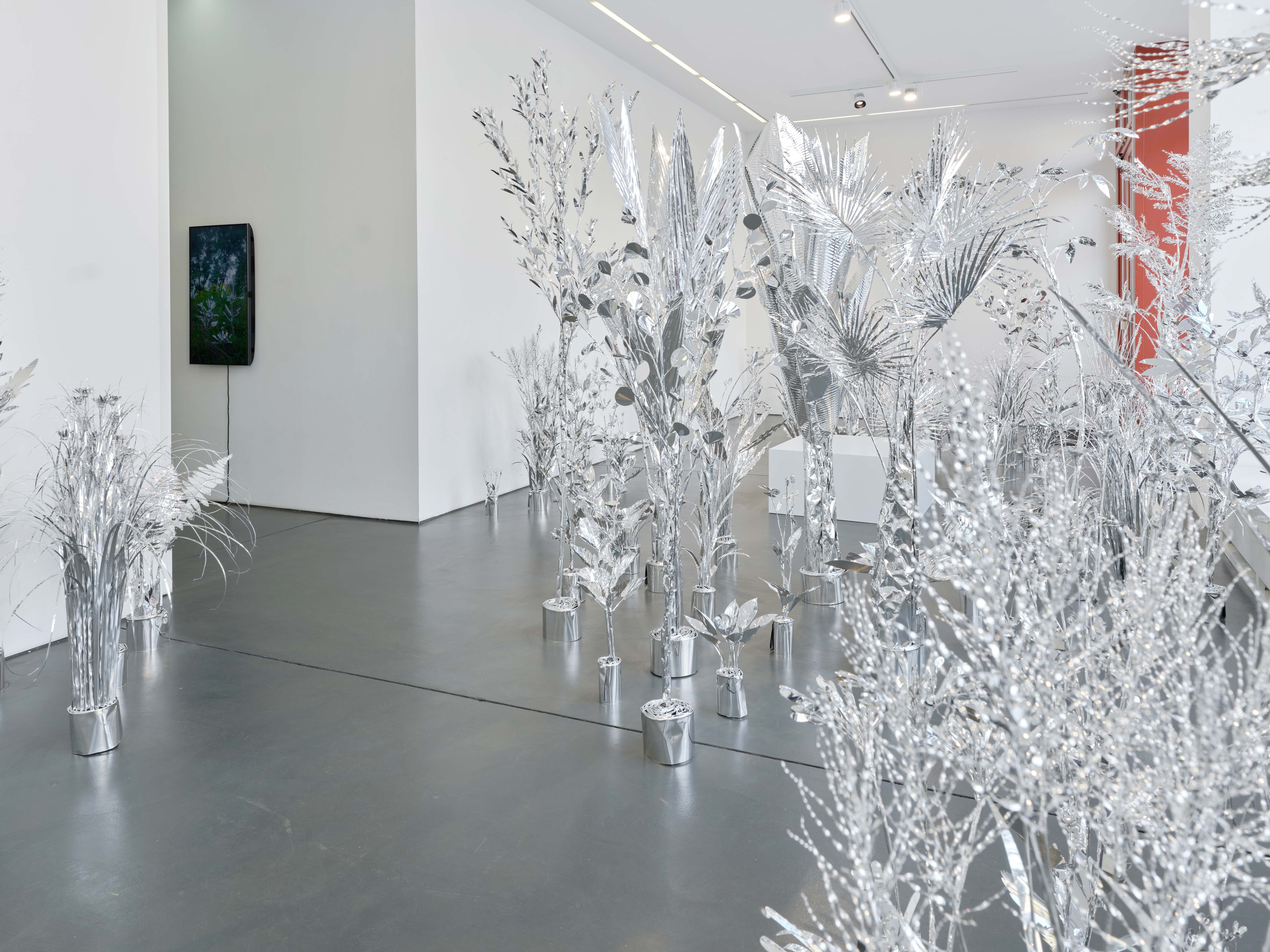
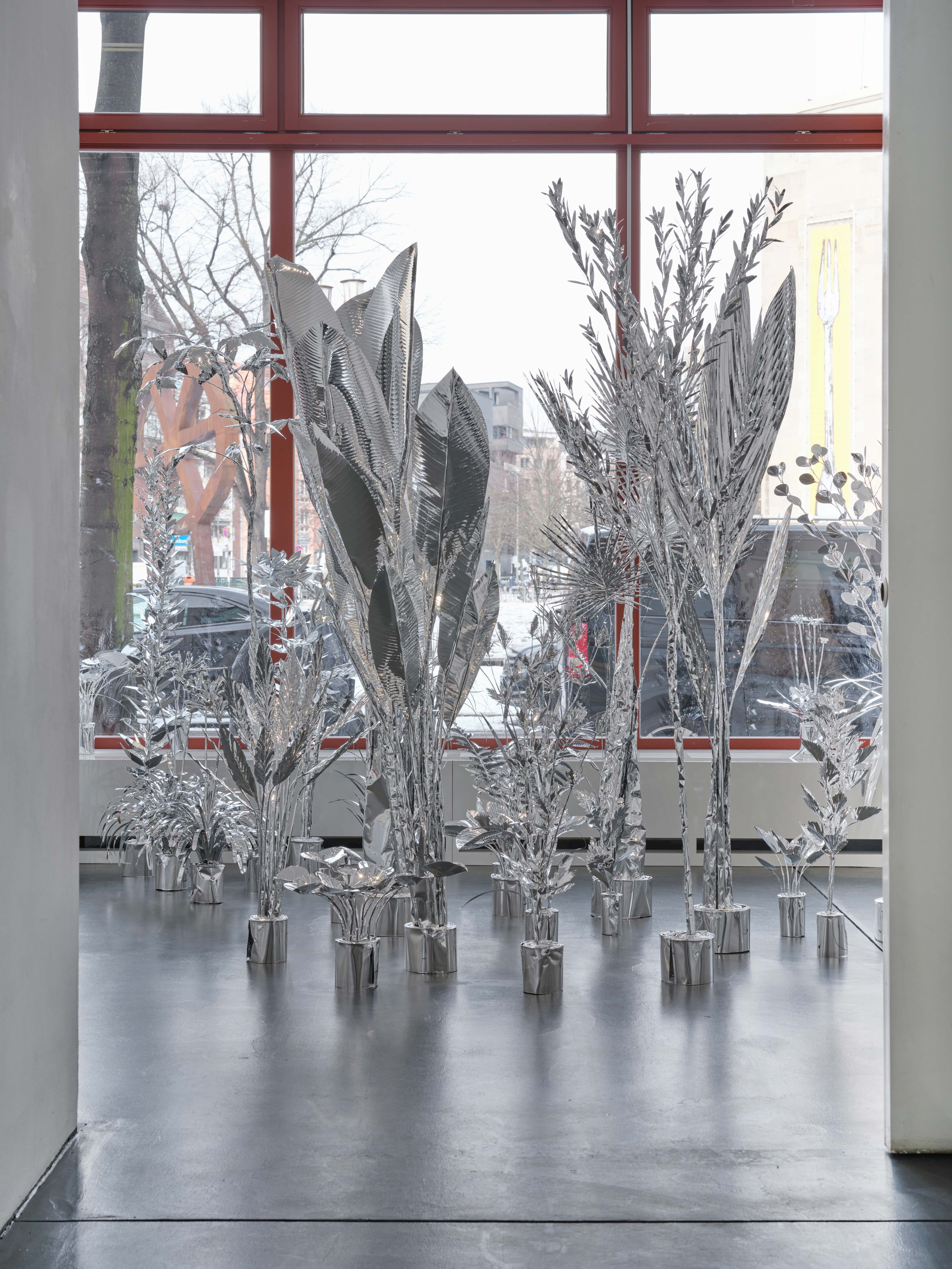
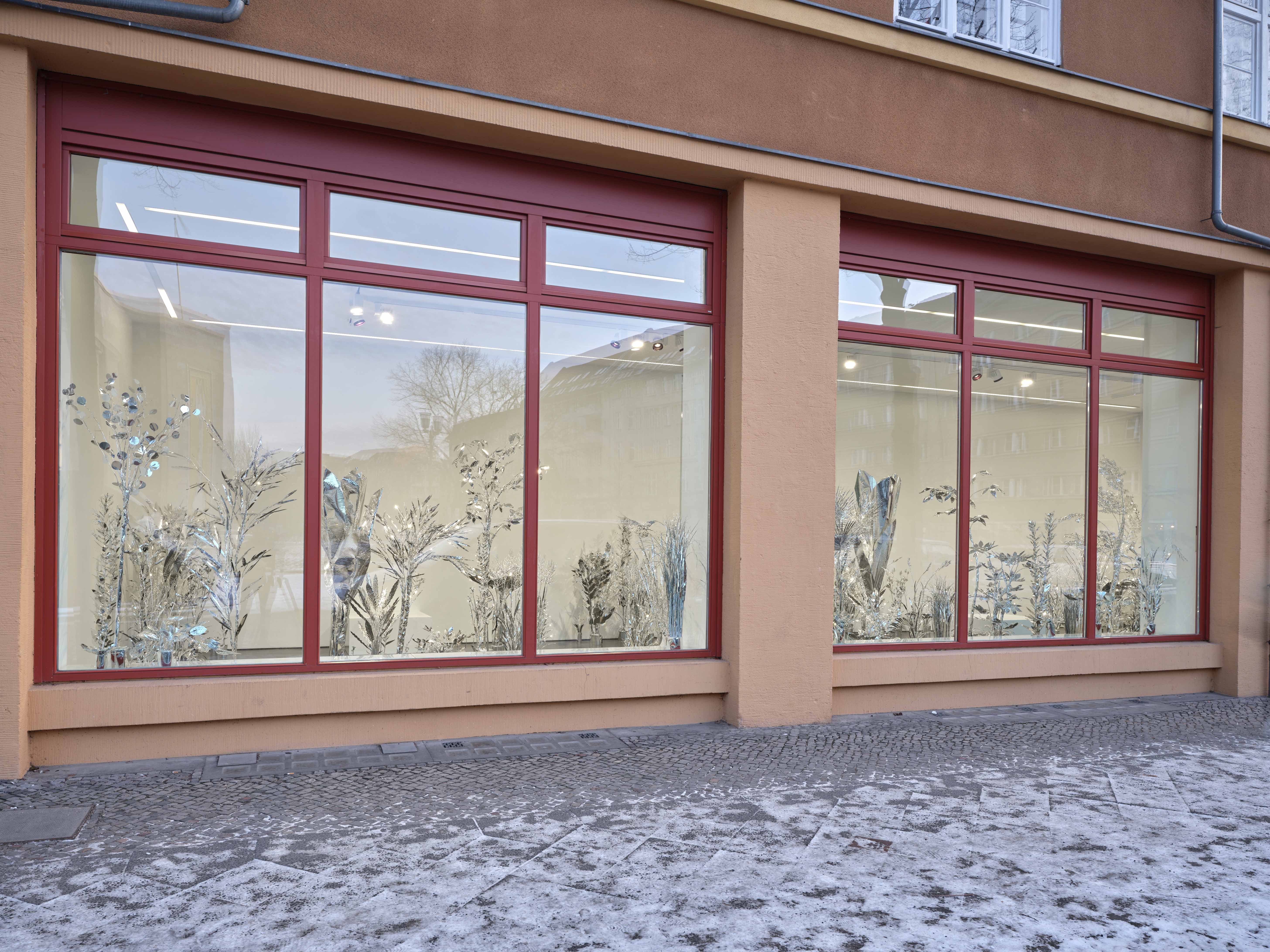
The installation unfolds as a garden that cannot be fixed in time.
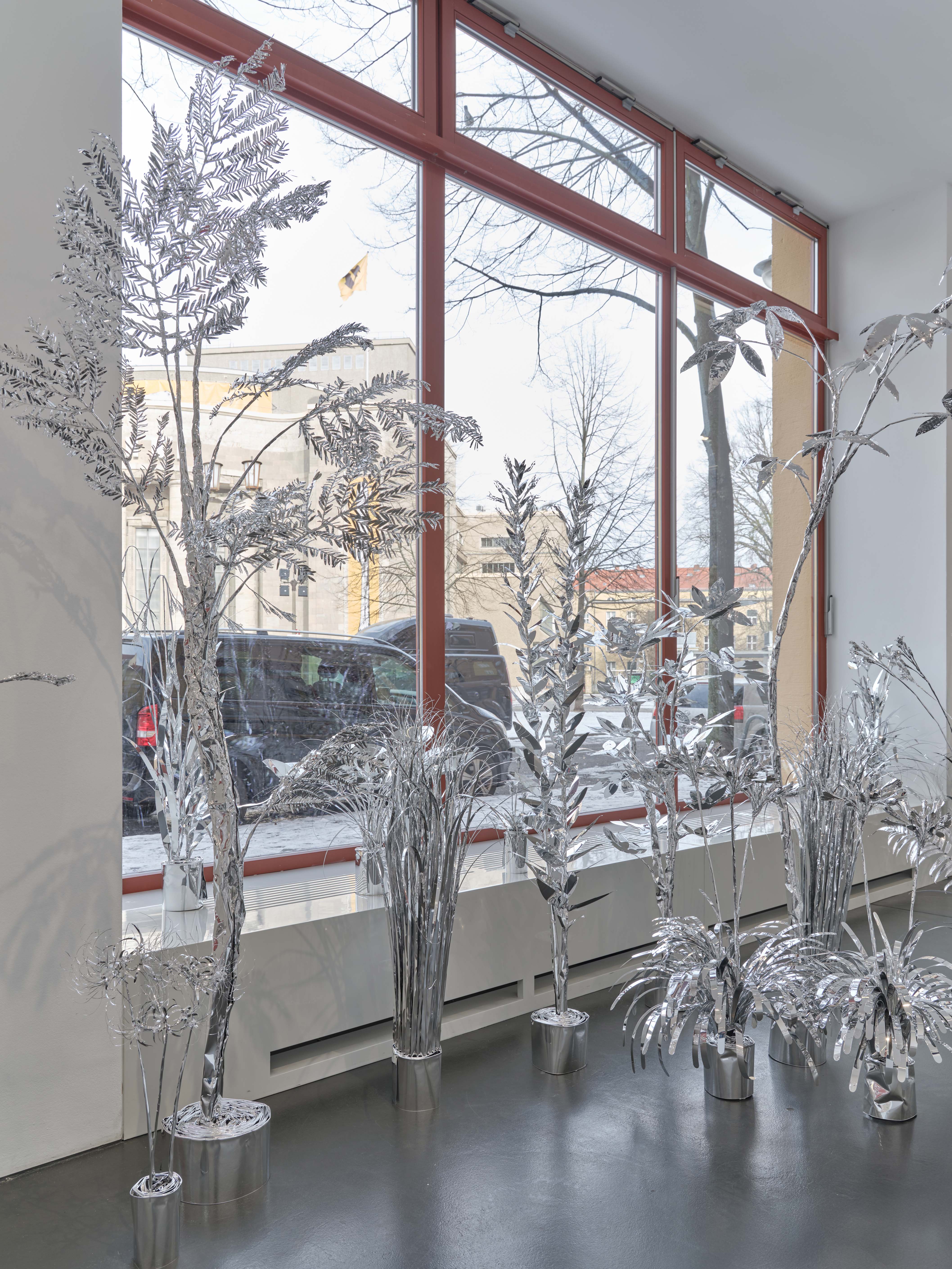
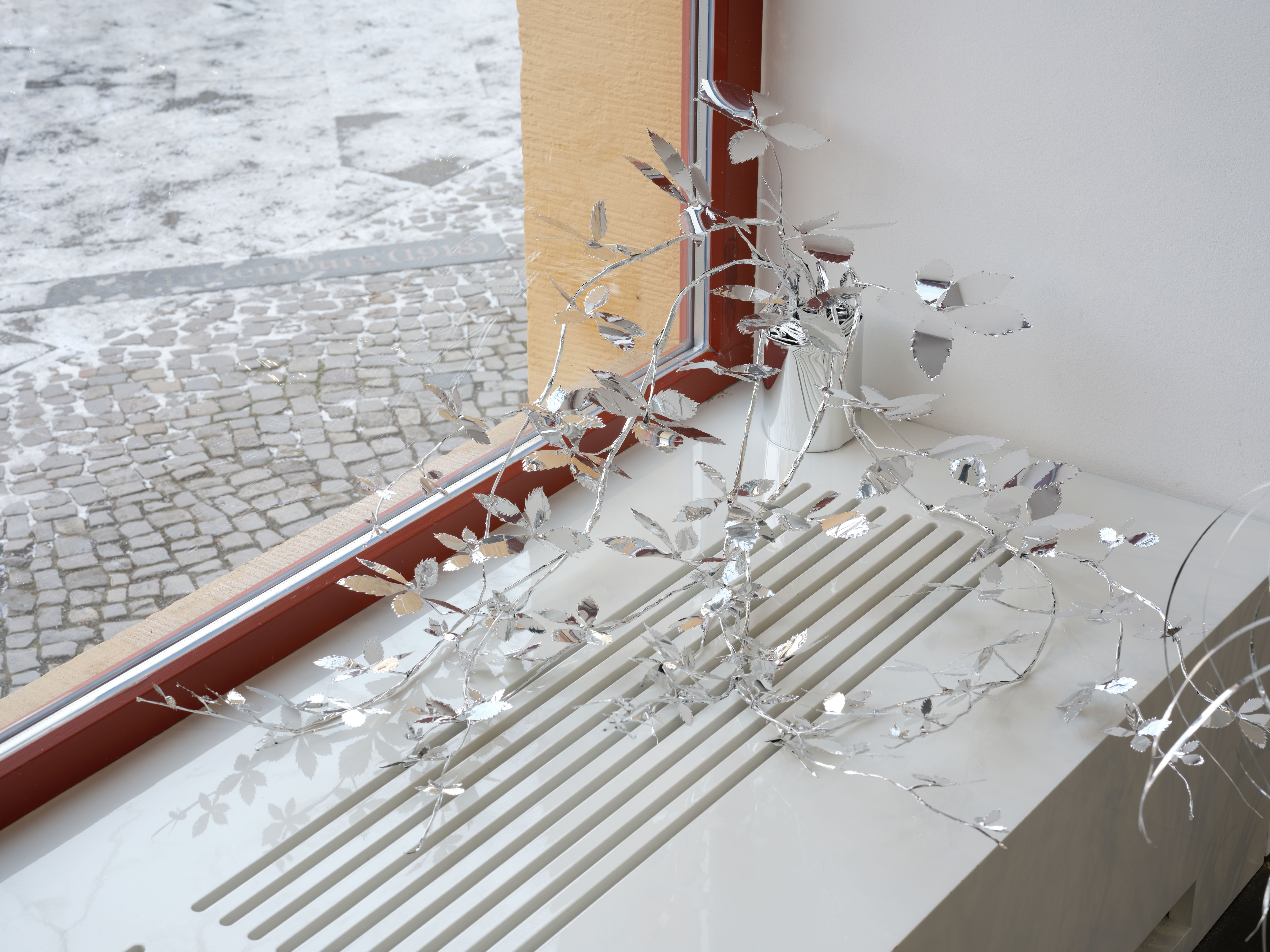
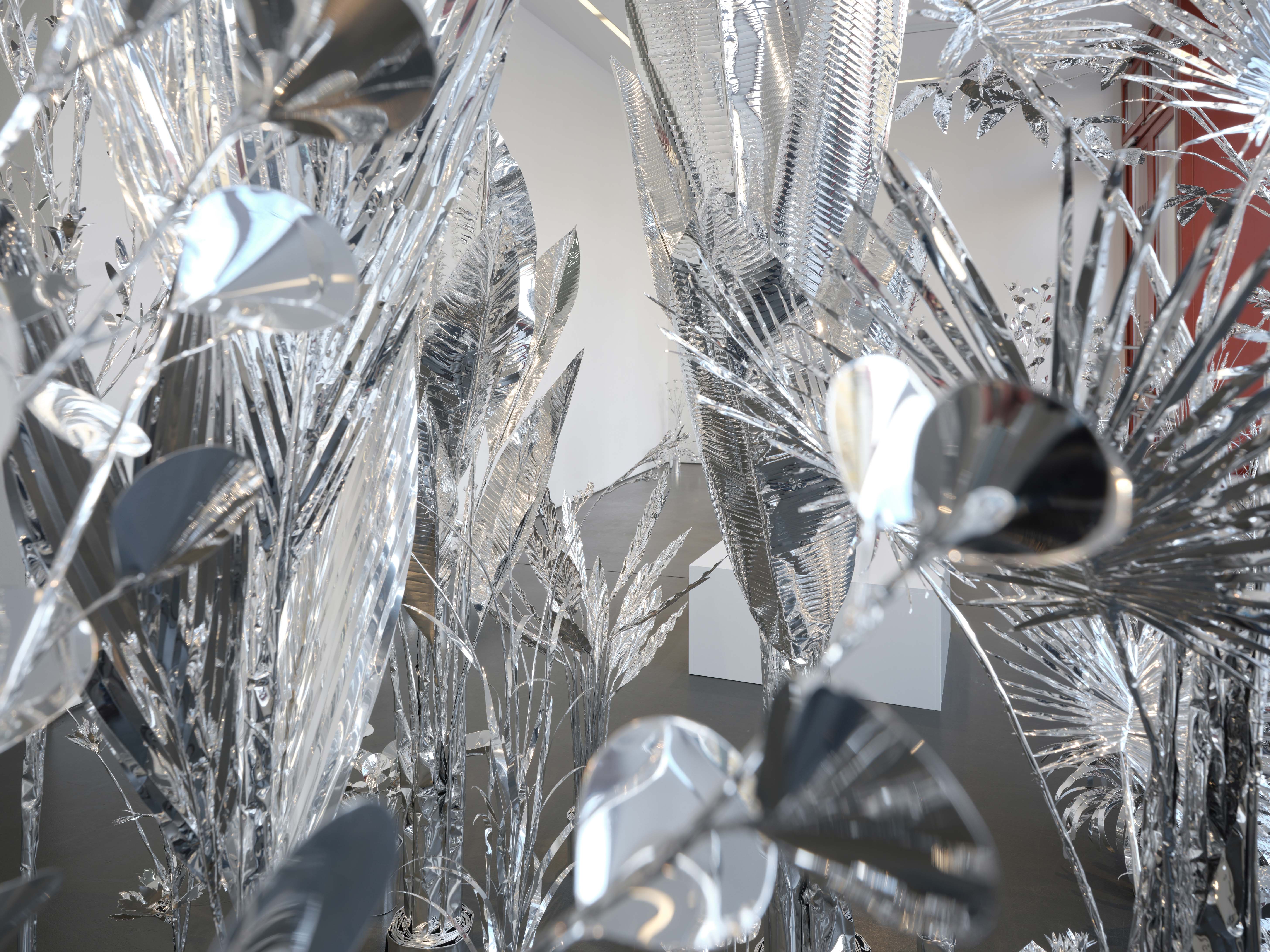
Plant-like forms made of aluminium reflect light and their surroundings,
their outlines shifting with movement and changing conditions.
Metallic yet fragile, they resist clear states of growth or decay,
remaining suspended between the living and the non-living.
In this space, the loss of shadow is not merely visual.
It marks a moment in which life and death are no longer opposed.
Death does not appear as an ending,
but as something already folded into the continuity of life.
What emerges is not a defined boundary,
but a threshold where distinctions loosen and remain unresolved.
Here, form does not insist on stability,
and presence persists without the need for clear contours.
- Toshihiko Mitsuya
With the grace of a gardener, Toshihiko Mitsuya’s touch transforms the natural diversity of plants and flowers into a new species of botanic realism. He responds to nature’s fleeting mortality with poetic installations ingeniously crafted from aluminium sheeting. Derived from silvery-white ore, aluminium is the third most abundant element in the Earth’s crust and occurs as an oxide in soil, water, and air. Mitsuya was five years old when he started making objects from the kitchen foil that his mother gave him to play with. Even then, his dexterity was not mechanical alone. He taught himself how to reverse engineer a physical form into a flat outline from which he could create something new and three-dimensional. His ability to transfigure a flower, a tree, or even a knight on horseback, relies on the conceptual deconstruction of matter without recourse to software. Mitsuya perceives the flower’s structure in his mind, and with virtuoso silhouetting and skillful pattern-cutting, translocates the stem and petals onto a drawing of several meters in length, which he then cuts out of a single sheet of aluminium. With the hands of a florist, he twists and turns the sculpture until it acquires soul. The artwork’s morphology literally grows out of the flower’s unfolding.
Born in Japan in 1979, Mitsuya studied sculpture at Seian University of Art and Design in Otsu, Japan, graduating in 2004. The university, which opened in 1920, was concurrent with the Bauhaus movement in Germany. In both countries, students were tutored in the art of paper-folding. Origami, a practice that evolved in 6th century Japan and benefitted from technical manuals in the late 18th century, rapidly acquired an international following beyond its early Buddhist associations. In Germany, artist Joseph Albers instructed his students in paper-folding, encouraging them to plan their models in advance so the forms would be shaped in parallel with an economy of materials and labour. In Berlin, Robert Brendel established a company for manufacturing botanical models. He recognised the difficulty students faced to complete drawings of blossoms before they wilted and drooped and fabricated a variety of painted paper-mâché flowers for didactic purposes. Mitsuya’s sculptures are situated between these worlds of nature and artifice, yet his mimetic skills and conceptual precision overtake historical antecedents to produce artworks, which in their delicate monumentality become symbols of care and enchantment. He sees his flowers as an extended language of memory. Each one reflects the past of the person whose gaze is mirrored in it.
To date, Mitsuya has produced over fifty different species of flower and fern, all recognisable through their remarkable detail and botanical accuracy. His selection of plant life is not ideologically driven. He does not seek to make a statement about bourgeois floristry or colonialist botany. Instead, he chooses flowers, shrubs, and even trees that ignite a compositional enigma. Then playing on the synaesthetic contingencies of light, shadow, and colour, he tests out different reflections in alternative locations. In 2022, he created an installation on a roof top in Tokyo to celebrate the mid-autumn moon. The mirror-polished metal of each leaf channeled the lights of the capital, echoing the otherworldliness of the moonlit night. His sculptures offer a seductive trompe l’oeil through which we sense the alchemical resonance from plant to metal and back again.
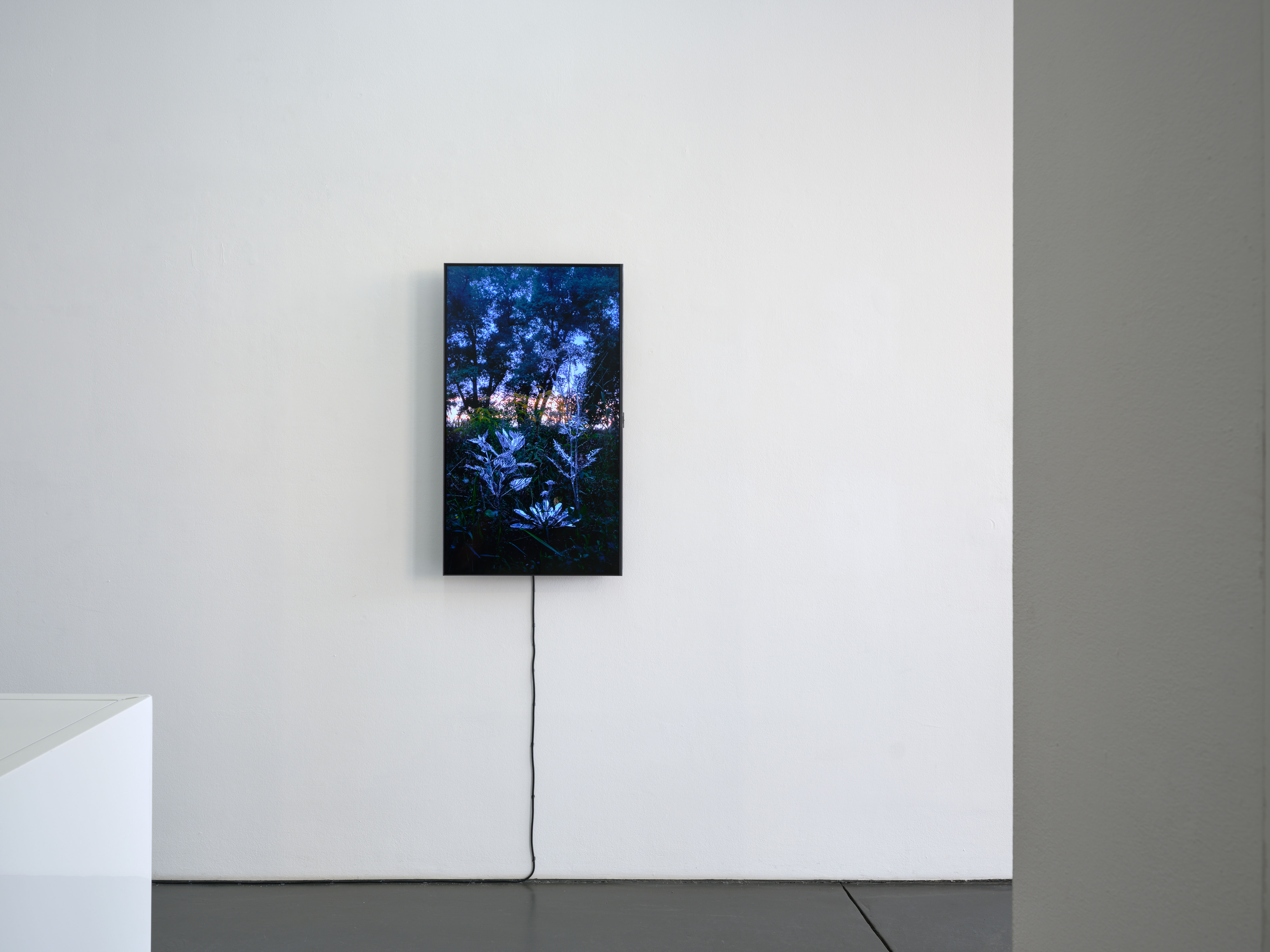
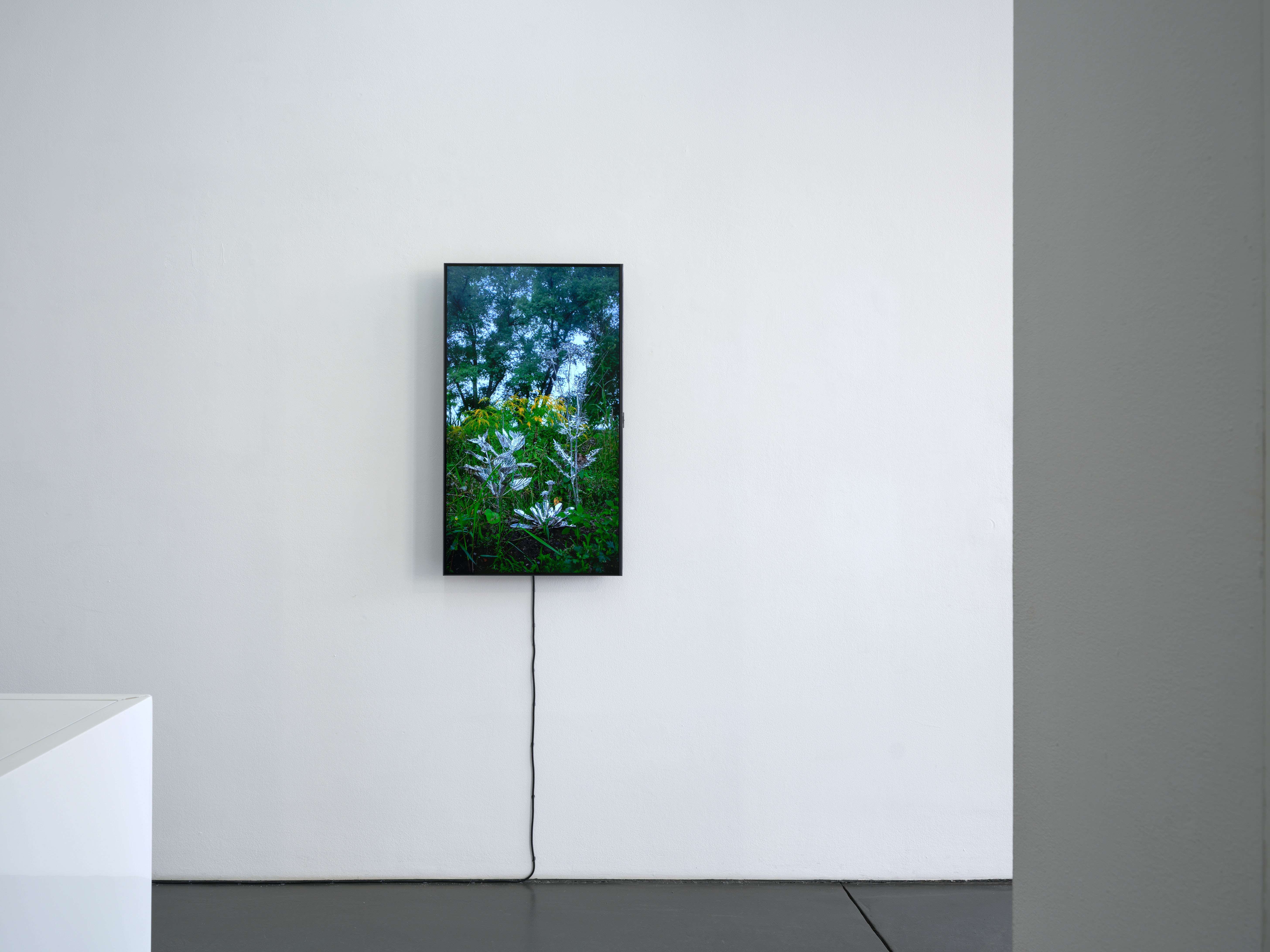
Mitsuya is well-known in Japan and Germany for his aluminium gardens in public space and parks. For the Lindau biennale (2022), and the Sculpture Park at Schlossgut Schwante (2024), he planted his silvery aluminium flowers directly into the lawns. The mirroring of the virulent green grass, the capture of sunlight, and the rain that oxidises the metal together produce a kaleidoscope of sensory colour fields. At times, there are traces of insects – bugs that have settled under a leaf to lay their spawn or take shelter from the sun. Mitsuya watches over each flower like a constant gardener, attending to the inclemency of the seasons, and recording changes to the plants on a time-lapse camera. The video in the exhibition contains 100,000 single shots taken between summer and winter that document the spirit of his sculptures in dialogue with the waxing and waning of nature. His multi-faceted practice offers an alternative sense of time and life cycles, a flourishing of memories and déjà-vu. It is a pleasure to walk through the greenhouse of Nagel Draxler with its silver, flickering shapes and suddenly recognise one’s self-image in a lily, an elephant ear, a cornflower, or a rose.
- Dr. Clémentine Deliss
Toshihiko Mitsuya (born in Osaka, Japan, in 1979) is an artist living in Berlin whose work is characterized by his fascination with flowers, plants, and grasses in the landscape and in urban spaces. He sees himself as a “gardener.” For his sculptures and installations, he uses special aluminum foils, which he manipulates and sculpts into intricate forms. In his ongoing project “The Aluminum Garden – Structural Studies of Plants”, he cuts and folds the metal by hand into shapes that seem to breathe and live like plants. The reflective surfaces capture and diffuse light, allowing the sculptures to blend into their surroundings and oscillate between reality and illusion. Mitsuya’s work has been exhibited in Germany and internationally, including solo presentations at Seibu Shibuya, Tokyo; Studio Picknick, Berlin; and DAZ – Deutsches Architektur Zentrum, Berlin, among others. Group exhibitions include the Biennale Lindau, Lindau; The Ueno Royal Museum, Tokyo; Kunsthal KAdE, Amersfoort; Japanisches Kulturinstitut, Cologne; and the Taro Okamoto Museum of Art, Kawasaki, among others.