
Teresa Kutala Firmino Tomorrow, I become a Woman
13/03/2026 – 13/05/2026
Elisenstraße 4-6
50667 Köln
Donnerstag, 12. März 2026, 18 – 21 Uhr
Thursday, March 12, 2026, 6 – 9 pm
Mittwoch - Freitag 11 – 18 Uhr, Samstag 11 – 16 Uhr
Wednesday - Friday 11am – 6pm, Saturday 11am – 4pm
Press Release
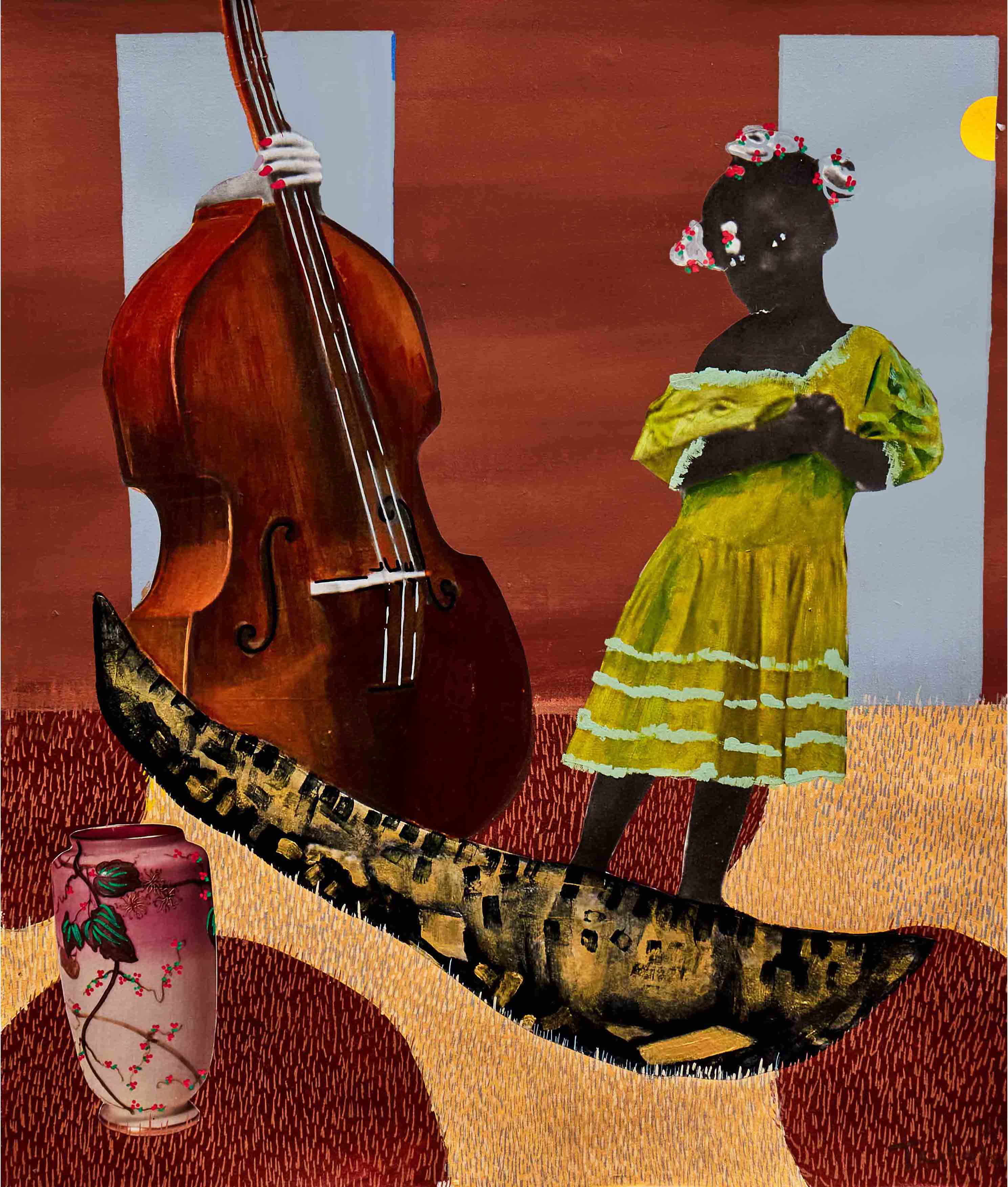
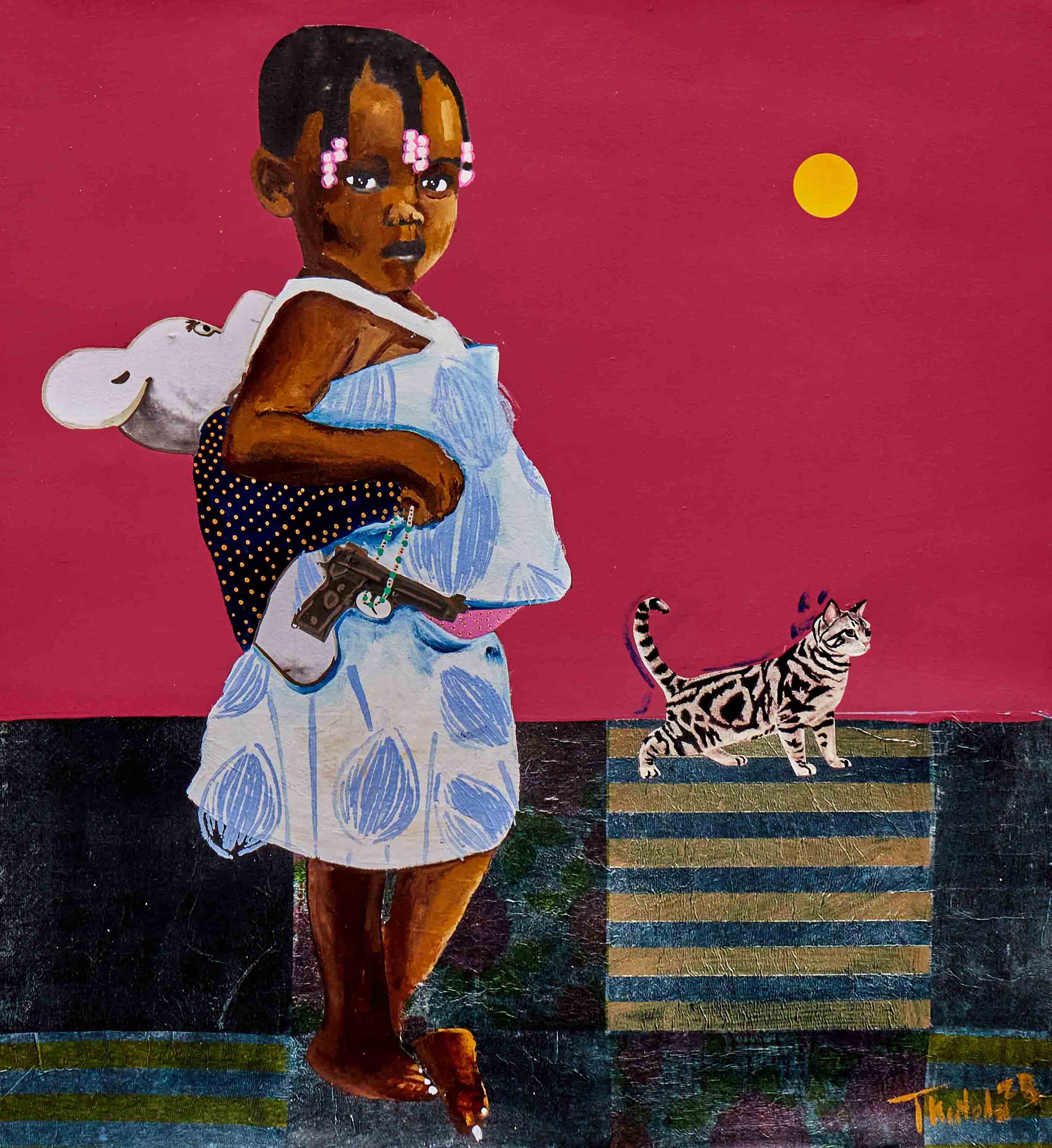
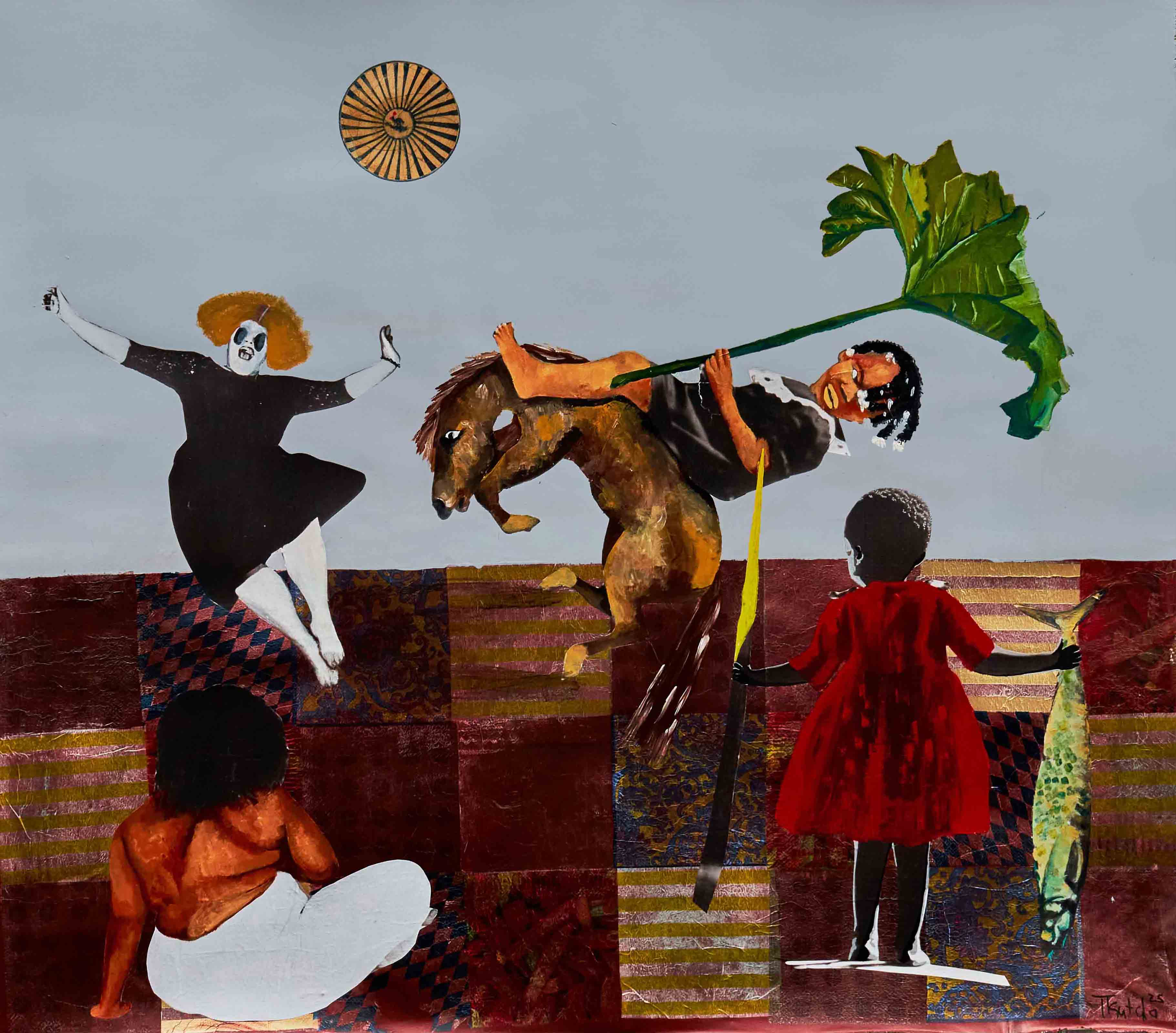
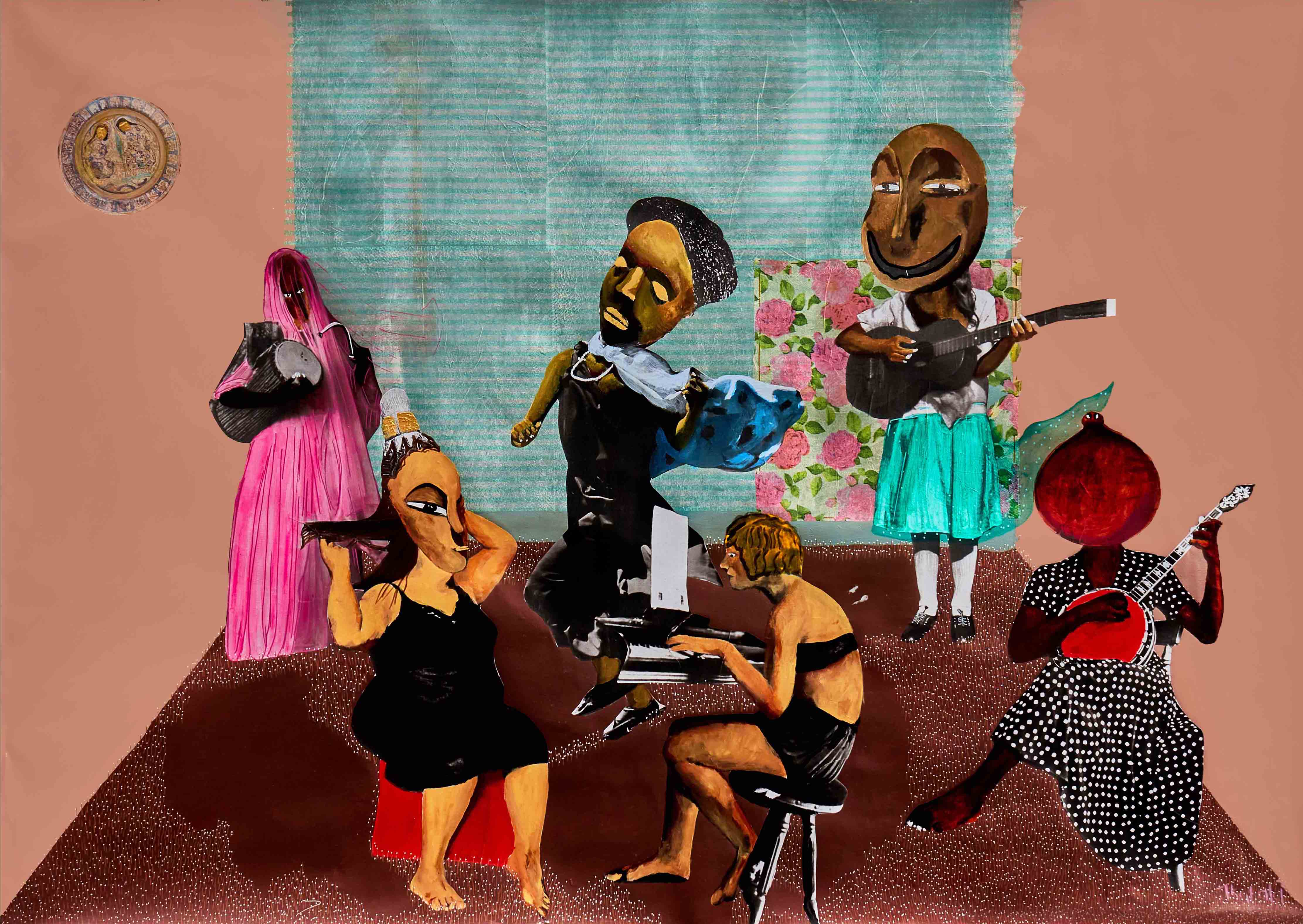
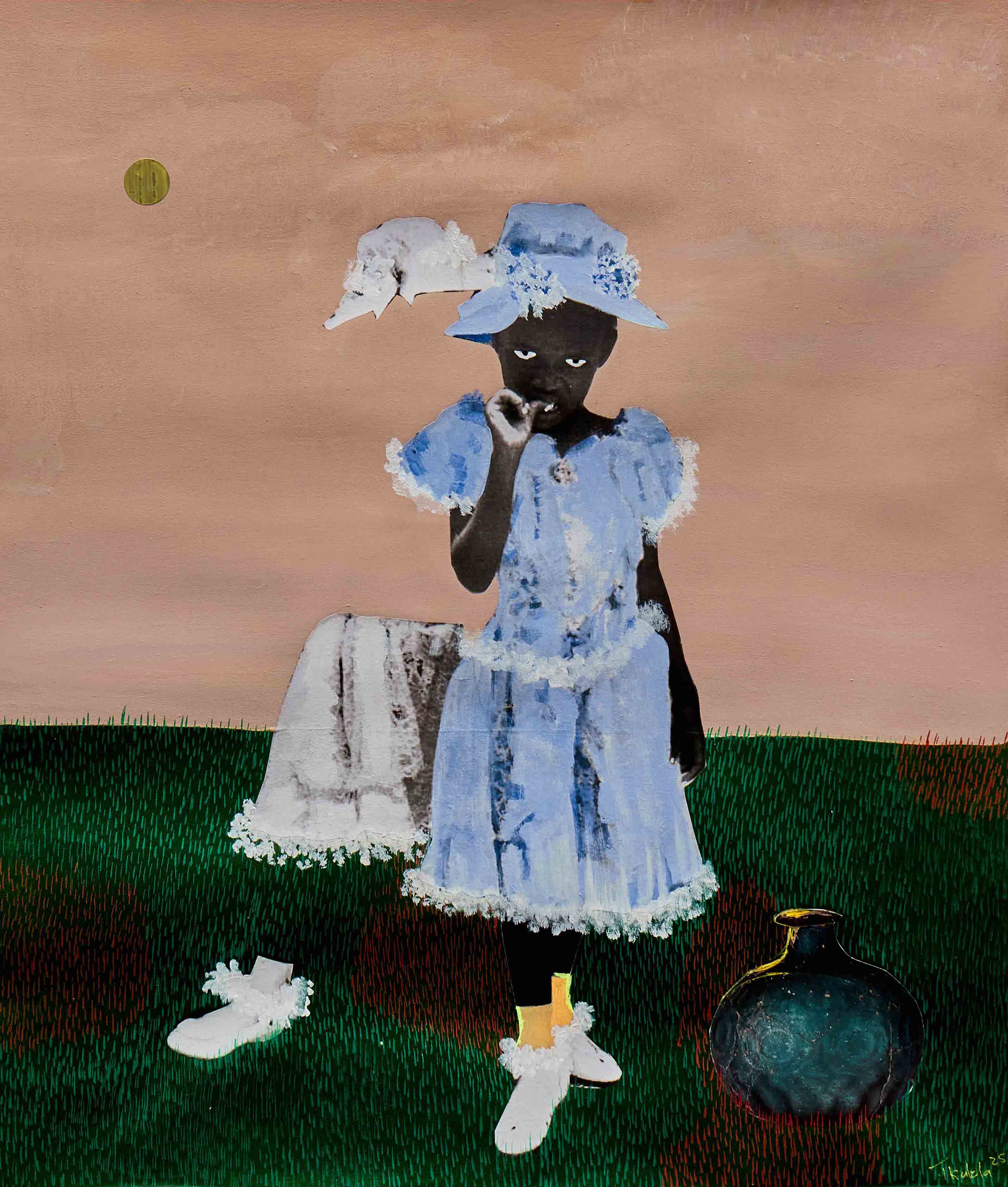
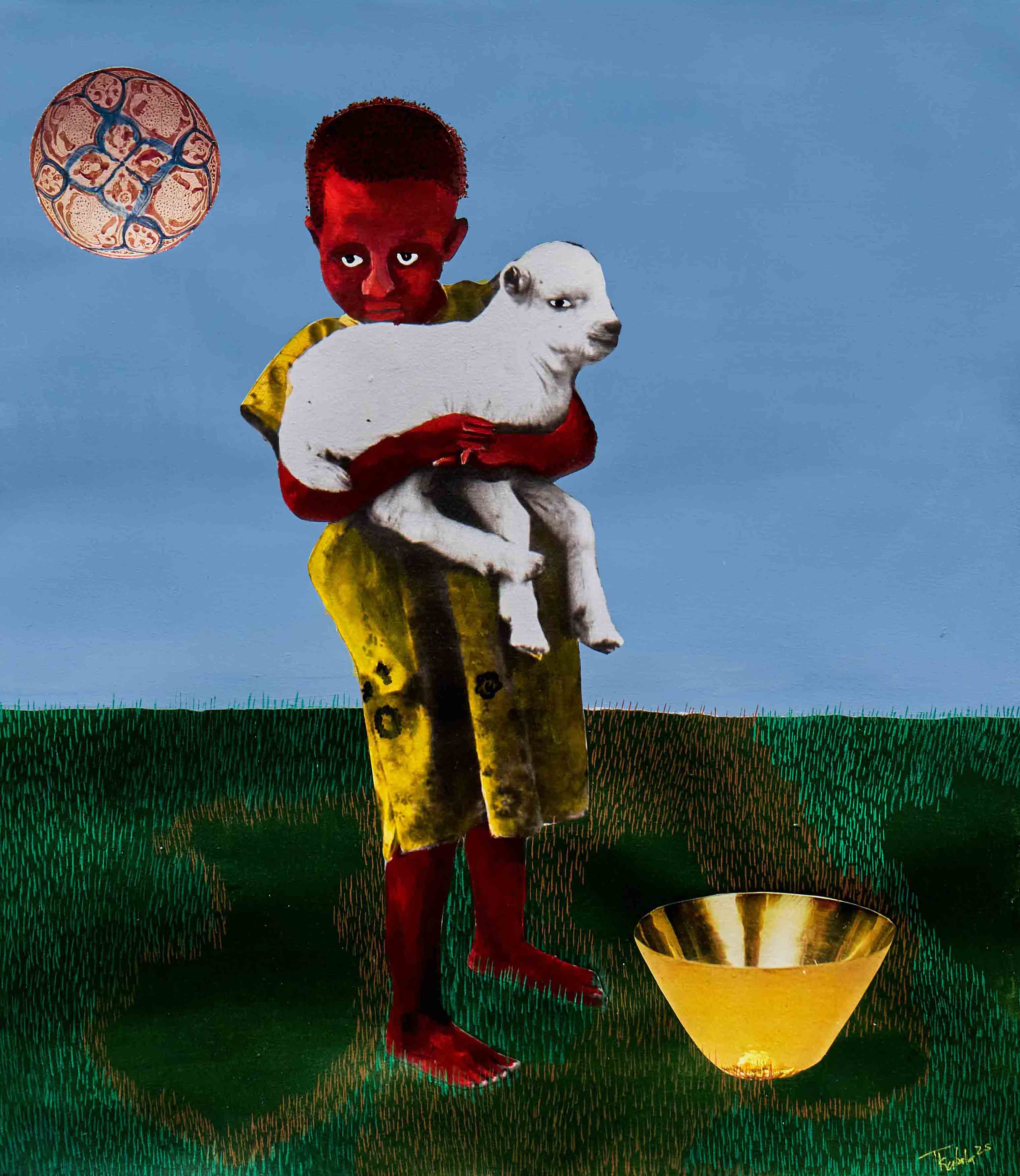
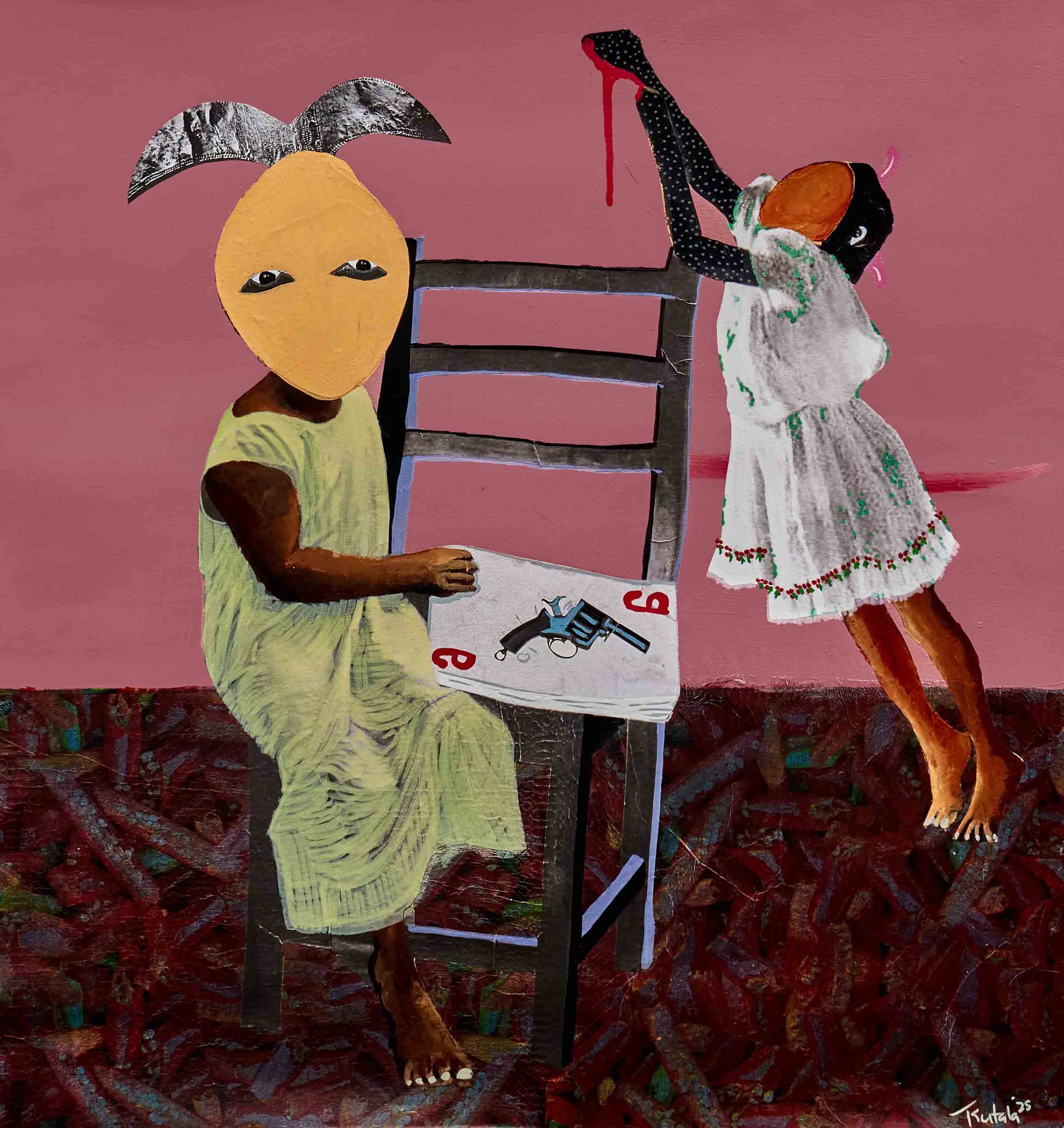
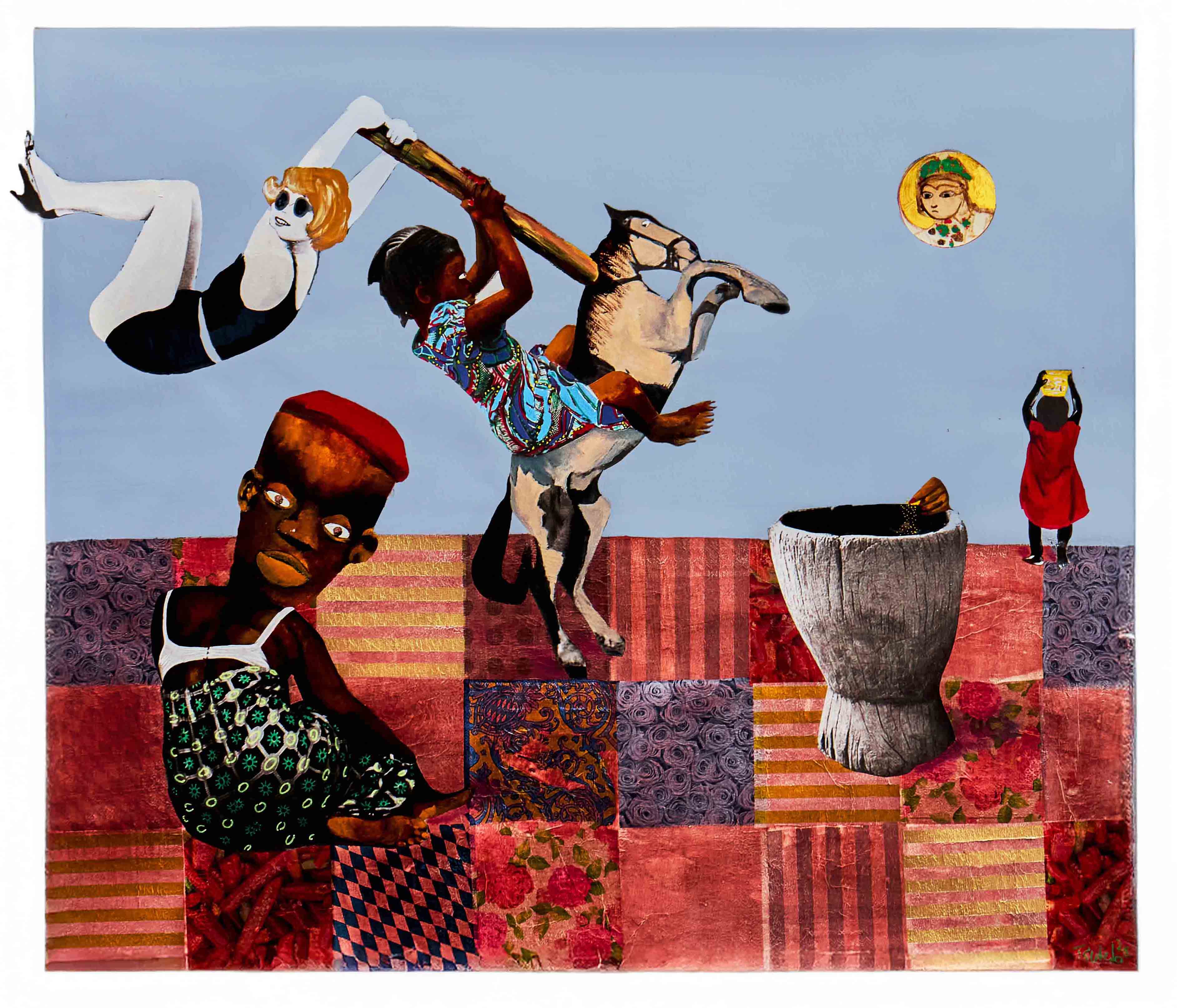
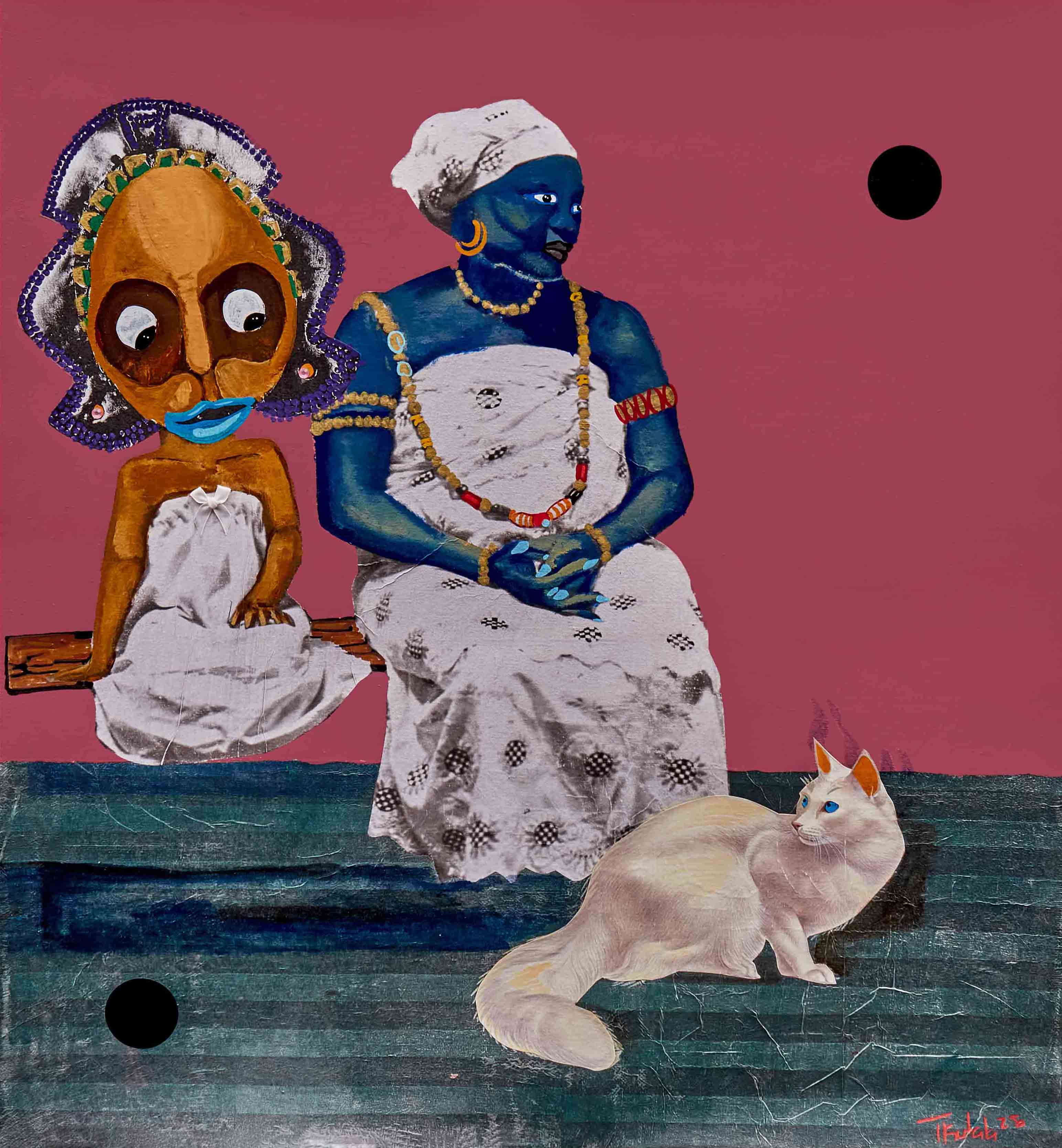
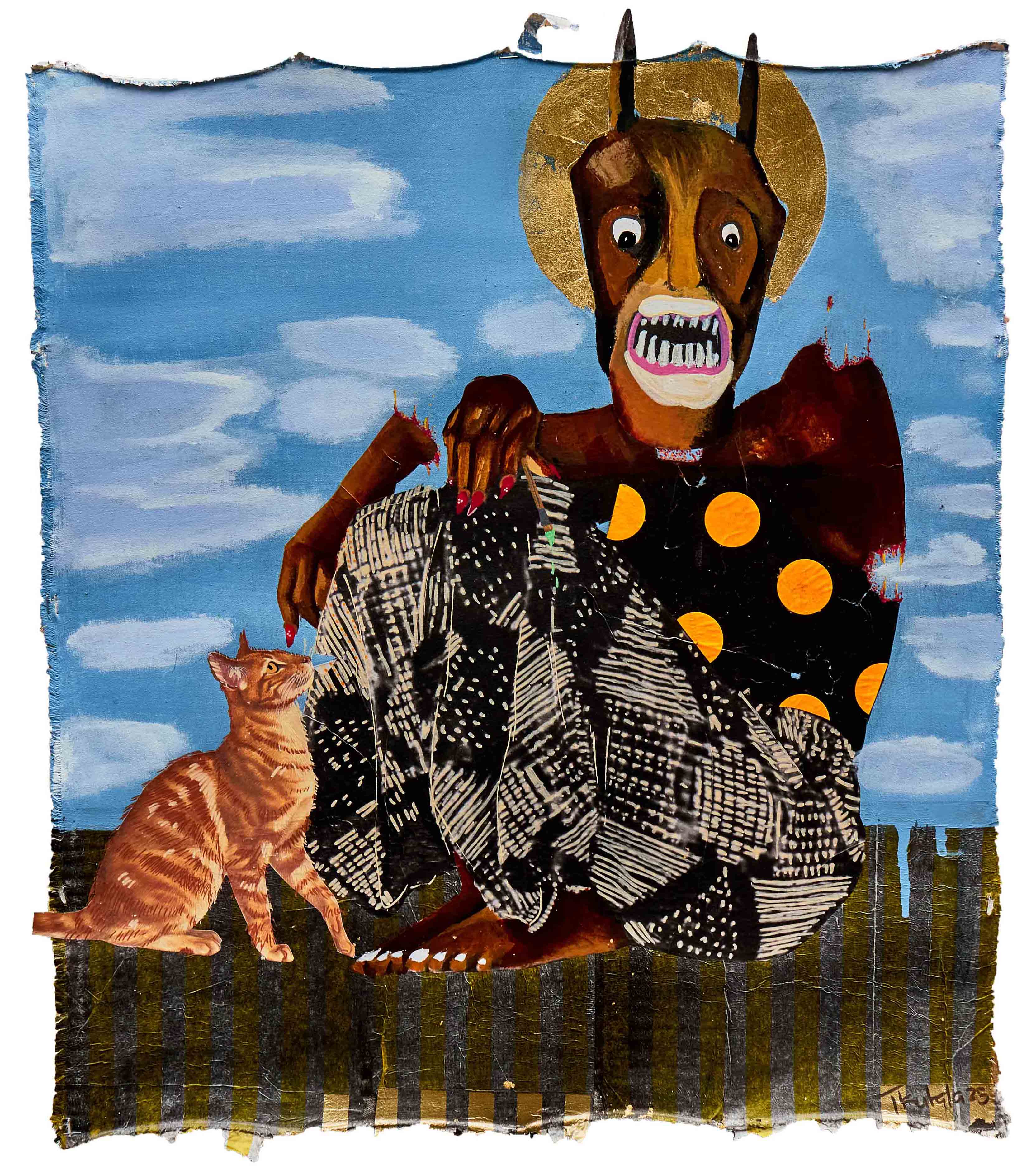
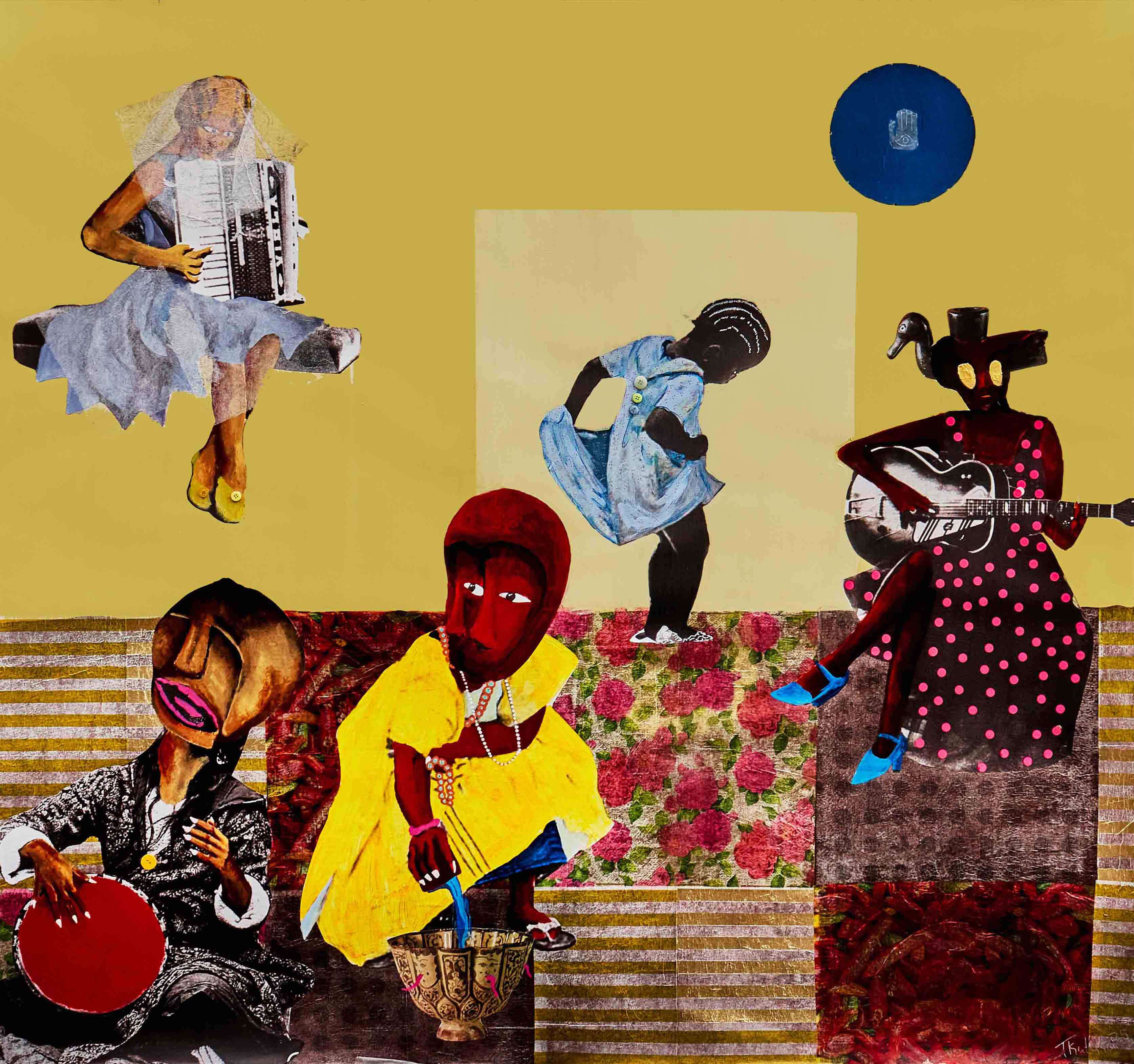
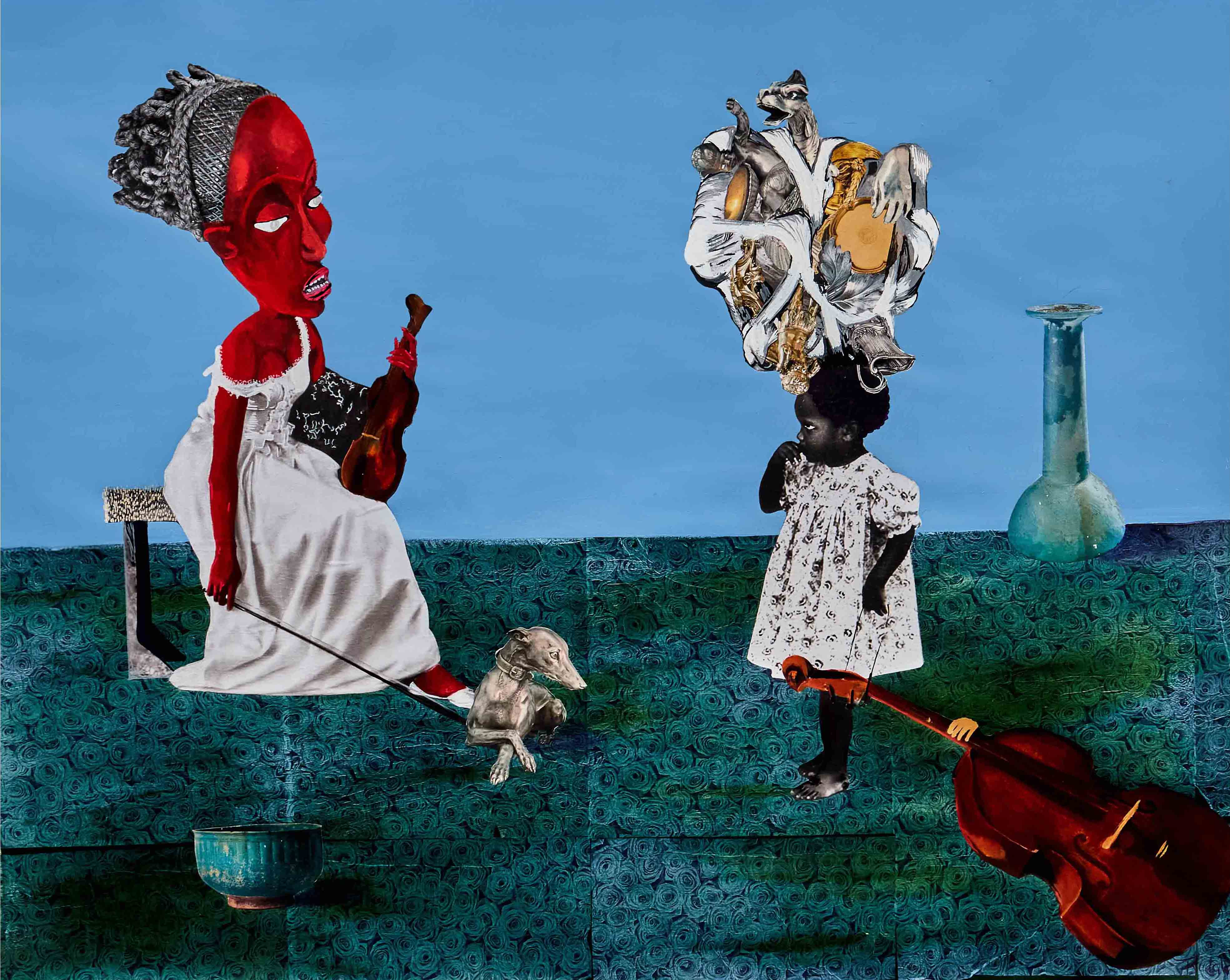
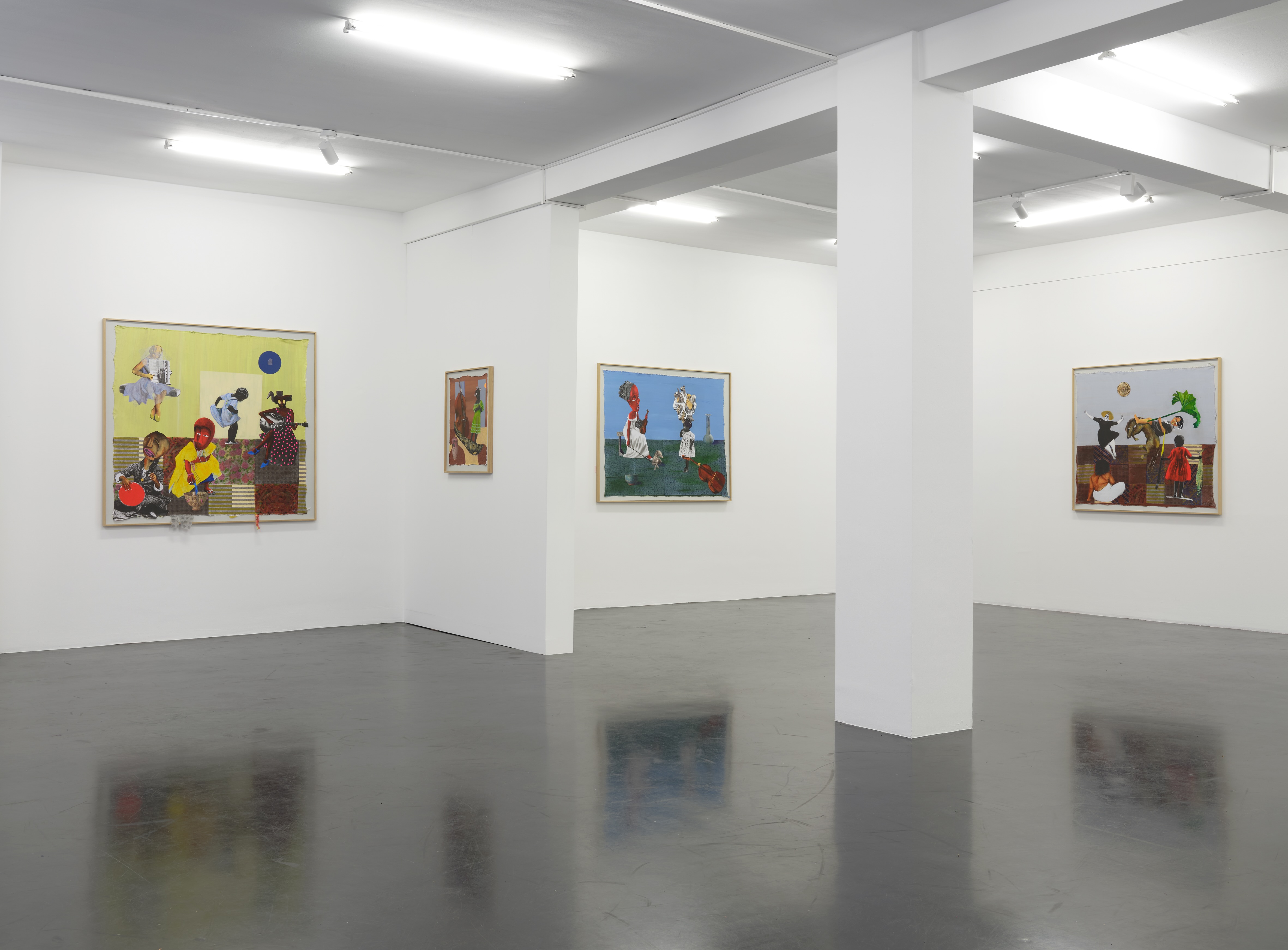
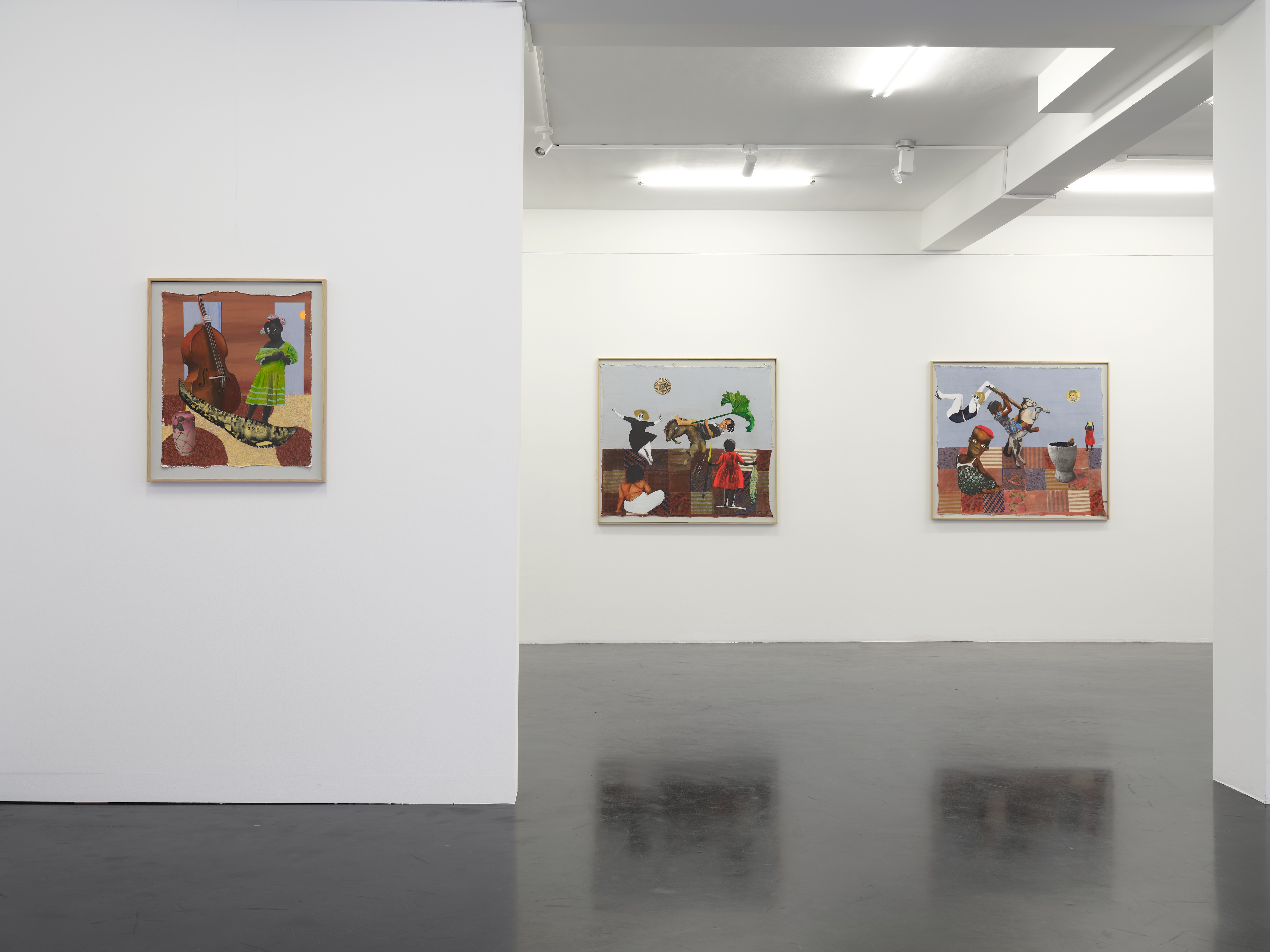
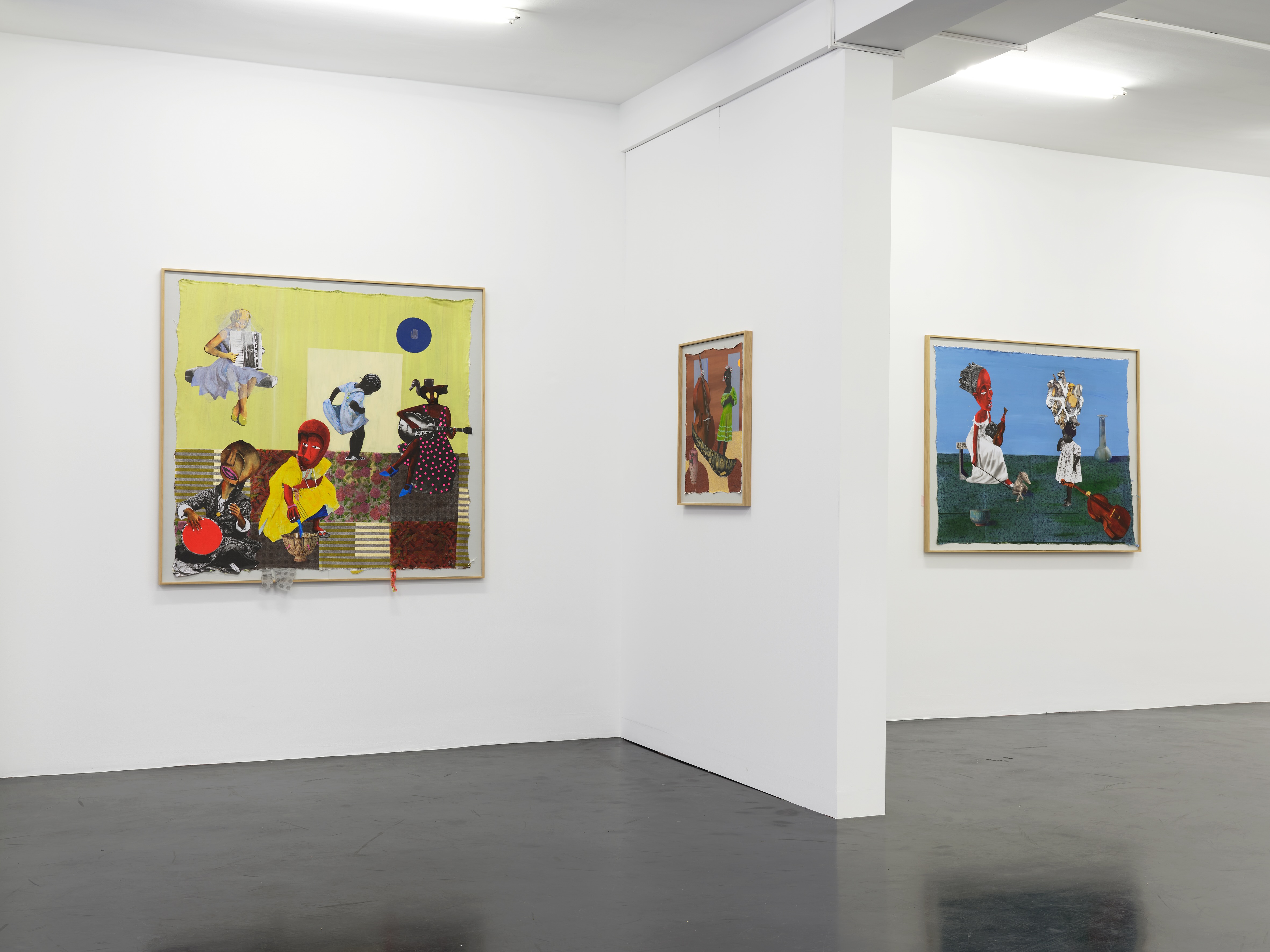
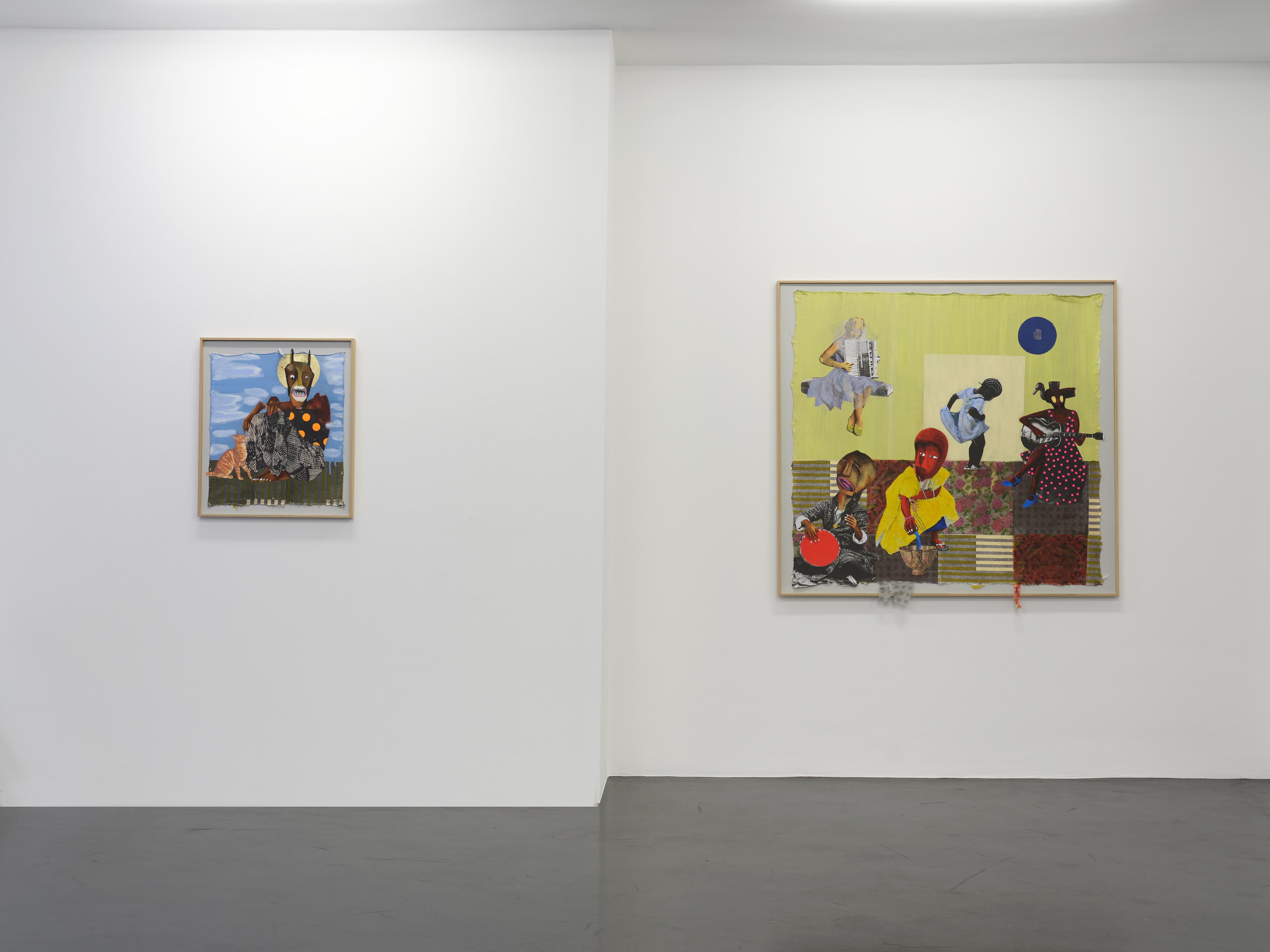
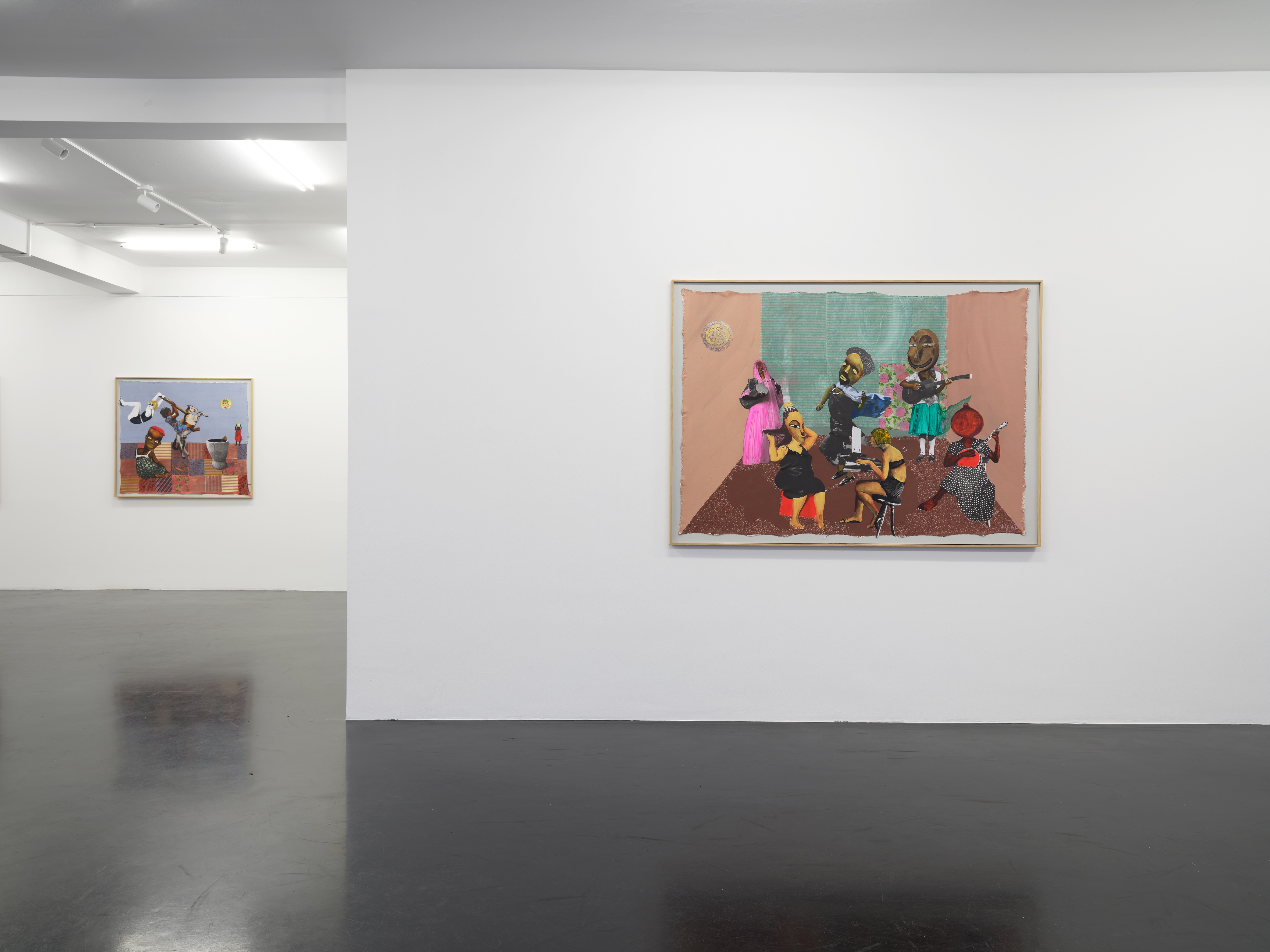
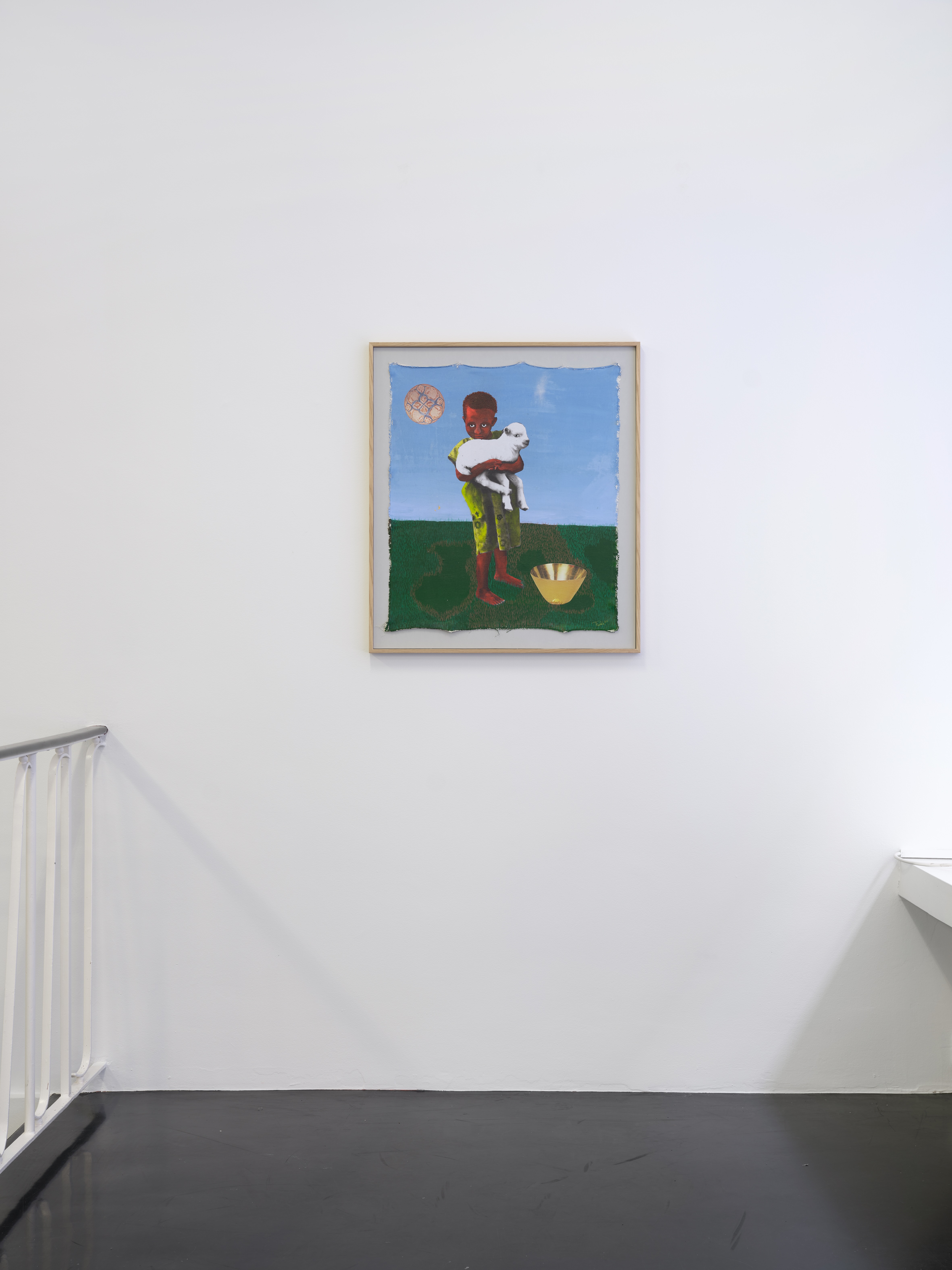
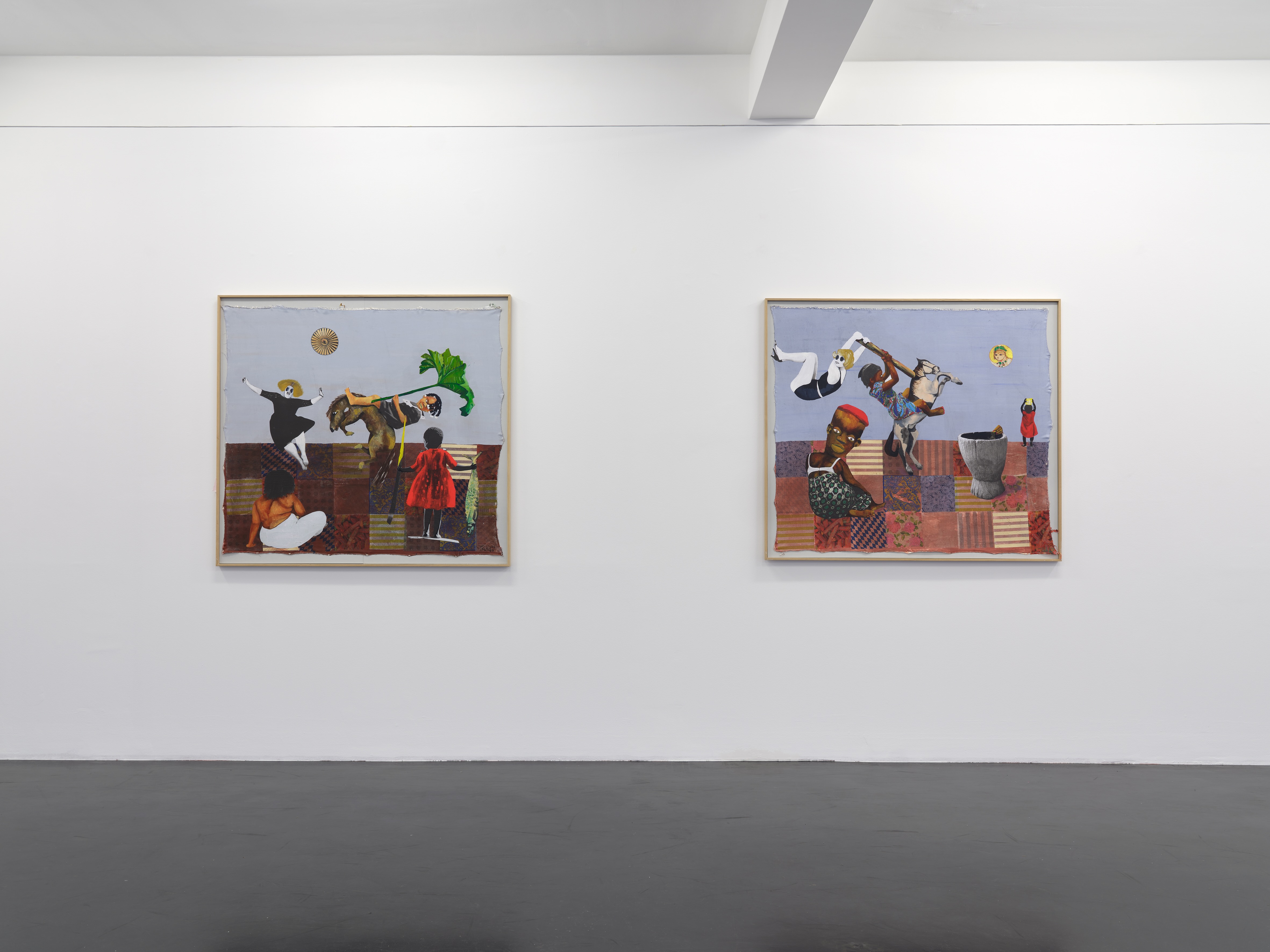
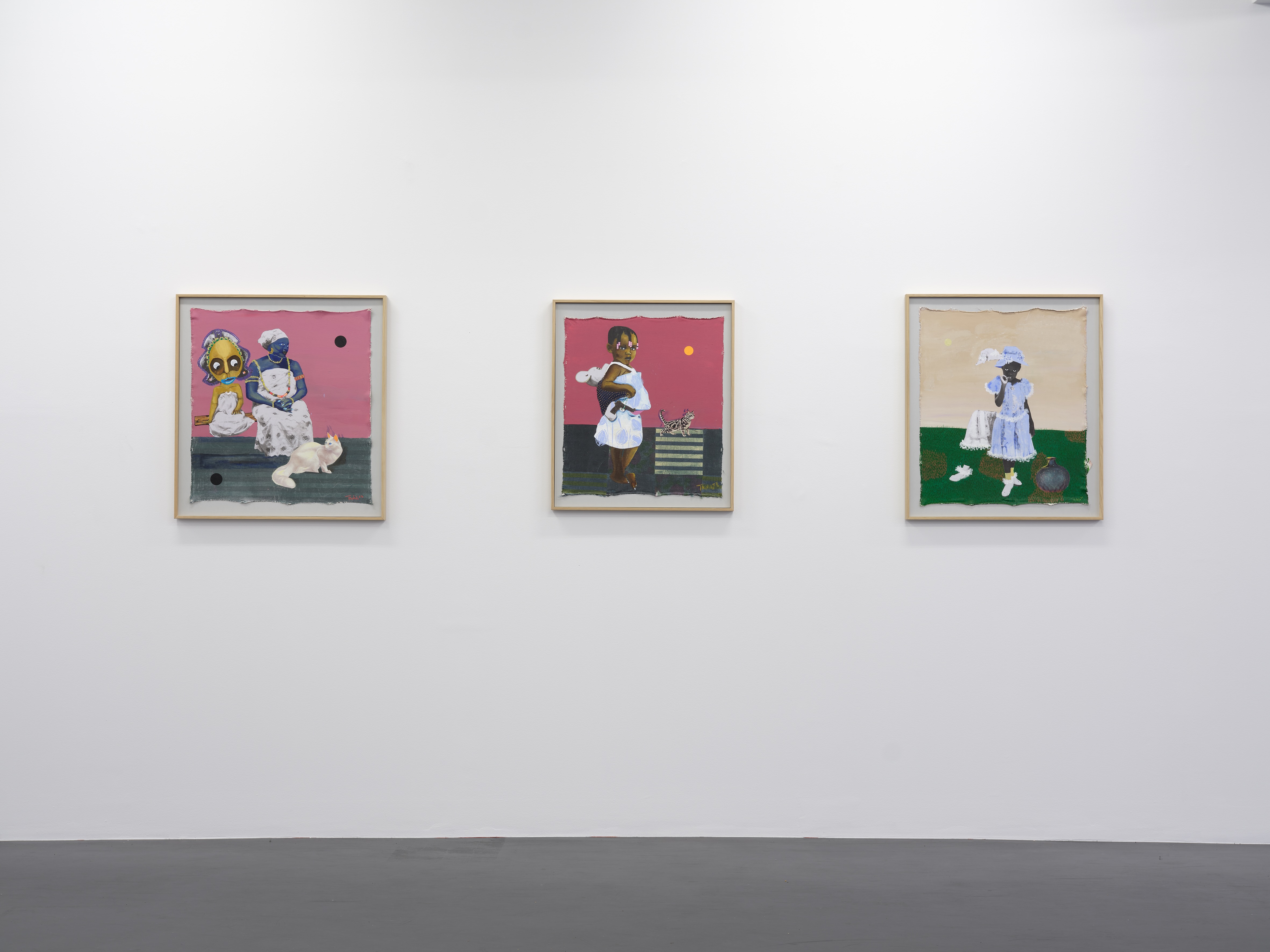
Tomorrow, I Become a Woman turns toward a difficult inheritance carried by many Buffalo women whose girlhoods were shaped or shattered in the long shadow of civil war, tradition, religion and the 32 Battalion. Here, becoming a woman is not a gentle transition but an abrupt crossing, marked by displacement, militarised landscapes, and the unspoken violences that threaded through daily life during and after the conflict.
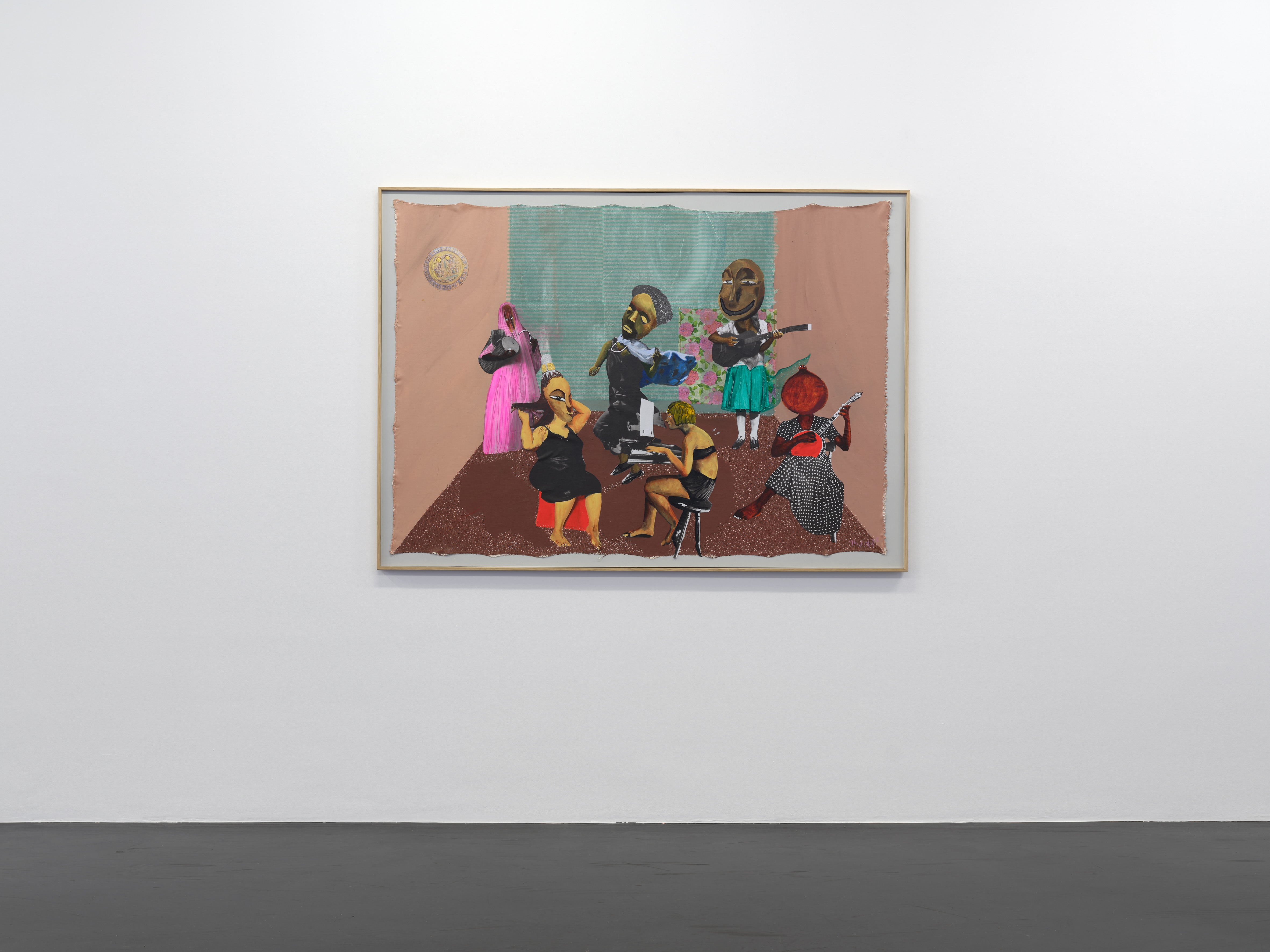
The paintings hold space for those whose childhoods were shortened by war, whose bodies were read through political lenses before they were fully their own, and whose stories were often erased in official histories. In this domestic interior, the loss is intimate: the vigilance learned too young, the gendered expectations intensified under militarised rule, the weight of survival passed down as quiet instruction.
Yet within the stillness, the figure insists on something more, a future not defined by the battalion’s legacy, but by her own remembering, her own reconstruction, her own imagination. She becomes a woman not through the trauma imposed on her, but through the courage to reclaim her narrative from the institutions that sought to control it. Her rebellion lives through her daughters and granddaughters, reclaiming what was lost. Who is she one may ask : She is Tchulu, Kwakwete, Njuju, Kutala and those whose names were never passed down.
Tomorrow, I Become a Woman examines the accelerated loss of girlhood among Angolan women whose lives intersected with the militarised structures of 32 Battalion during and after the South African Border War. Rather than presenting womanhood as a biologically determined transition, the work frames it as a coerced social and political shift shaped by displacement, precarity, and gendered expectations within militarised communities.
The composition foregrounds the domestic interior as a site where military and patriarchal logics converge. Here, the everyday routines of girls were structured by surveillance, constrained mobility, and the silent pedagogies of fear. Girlhood was not merely interrupted; it was reorganised to serve the demands of a patriarchal, colonial military apparatus that instrumentalised women’s labour, bodies, and emotional endurance.
By centring the figure’s interiority, the painting challenges dominant narratives that marginalise women’s experiences in official histories of 32 Battalion. It repositions Buffalo women not as peripheral witnesses but as subjects whose constrained futures, strategies of survival, and modes of resistance form an essential archive of the region’s militarised past.